- AI in Freight Brokerage slashes quoting from hours to seconds and predicts lane pricing weeks ahead—discover the tech behind the speed.
- Generative broker automation tools now handle millions of shipment tasks for C.H. Robinson, ITS Logistics, and Ryder—see how they boost 30 % productivity.
- From computer‑vision yard checks to trailer optimization AI, learn the breakthroughs saving shippers millions in detention and demurrage fees.
How AI in Freight Brokerage Is Transforming the Logistics Industry

AI is now the engine behind freight brokers’ speed and scalability.
Artificial Intelligence (AI) in freight brokerage is no longer an emerging trend—it’s the driving force behind major operational efficiencies in modern logistics. For a deeper dive into these AI‑driven freight operations, explore our full AI coverage. From dynamic pricing to predictive trailer repositioning, AI systems are reshaping how brokers and logistics providers manage freight from quote to delivery.
The 2024–2025 period has seen AI move from selective use to core strategy across major players, including C.H. Robinson, ITS Logistics, and Ryder. These firms are not only automating formerly manual processes but also unlocking value with predictive analytics and generative AI agents.
AI in Freight Brokerage: Key Developments Among Leading Logistics Firms
How C.H. Robinson Is Scaling AI Across the Freight Lifecycle
C.H. Robinson has emerged as a global leader in logistics AI adoption. Catch up on the latest C.H. Robinson technology updates for more context. Over the past year, the company has deployed 30 + AI agents managing more than 3 million shipment‑related tasks, covering everything from quoting and load booking to appointment scheduling and shipment tracking.
AI Load Matching and Quoting Systems
AI load matching is the cornerstone of C.H. Robinson’s freight tech automation strategy. Using proprietary algorithms trained on 37 million annual shipments, the system predicts truck capacity and lane volatility. As a result, brokers now match freight based not only on current data but projected market conditions, improving both tender acceptance and customer satisfaction.
On the quoting side, large language models (LLMs) scan customer emails to extract quote requests and generate instant responses. The platform replies to over 2,000 quote requests daily in less than 30 seconds, revolutionizing a process that previously took hours. We track similar generative AI innovations across logistics in our news hub.
Generative AI for Email‑Based Orders and Scheduling
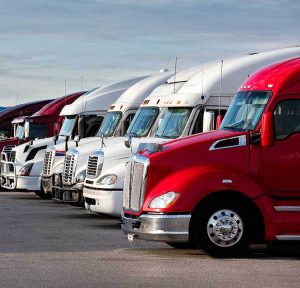
Three million shipment tasks now run on C.H. Robinson’s AI agents
Robinson’s generative AI reads unstructured shipment orders sent via email, identifying intent and filling in incomplete details. The system processes over 5,500 email‑based shipment orders daily and classifies less‑than‑truckload (LTL) shipments by NMFC codes, improving billing accuracy and eliminating human delays.
Appointment scheduling is similarly streamlined. An AI agent sets up over 3,000 appointments per day, even from unstructured emails, with confirmations returned in under a minute.
“AI can process so much more data than any human could possibly do.” — Megan Orth, Senior Director of Commercial Connectivity, C.H. Robinson
Carrier Matching and Pricing Optimization Tools
C.H. Robinson also uses AI for carrier outreach. When carriers submit available truck capacity via email, an AI system automatically adds that information to the load board and sends optimized freight recommendations. This closes the feedback loop between shippers and carriers, increasing backhaul efficiency and boosting carrier loyalty.
A dedicated AI tool also predicts and minimizes accessorial fees such as detention or liftgate charges—pre‑emptively saving costs for shippers through pattern recognition and suggestion engines.
Organizational Efficiency and Staff Augmentation
Rather than replacing employees, C.H. Robinson’s AI systems elevate staff roles. Manual tasks such as appointment entry or rate lookup are handled by AI, allowing operations teams to focus on exceptions, customer engagement, and strategic optimizations.

Generative models cut quote times from hours to seconds.
By 2025, these systems are estimated to improve employee productivity by over 30 %, reducing freight cycle times from hours to seconds.
ITS Logistics: AI‑Driven Container and Trailer Management Solutions
ITS Logistics leverages AI to support its drayage, intermodal, and brokerage services. In 2024, the company launched ContainerAI, an end‑to‑end platform managing 99.8 % of container moves across ocean, rail, and road.
ContainerAI aggregates vessel, port, and inland logistics data, using predictive analytics to prevent costly detention and demurrage fees. One Fortune 500 client reportedly saved tens of millions using the platform.
“We can’t pay for a bunch of empty trailers all spread out in the wrong locations.” — Peter Weis, CIO, ITS Logistics
ITS also manages a 3,000-unit trailer fleet using AI models to forecast trailer demand by location. The system enables real‑time trailer repositioning, reducing deadhead miles and maximizing utilization.
Load matching is shifting from real‑time data to predicted capacity.
Internally, ITS has introduced an AI‑powered business‑intelligence assistant. Staff now query operational data—such as top revenue lanes or customer profitability—via a conversational interface, receiving real‑time analytics with zero report generation.
Ryder: Computer Vision and Predictive Routing in Action
Ryder’s AI strategy includes yard automation, generative AI for call centers, and predictive routing systems. In collaboration with startup Terminal Industries, Ryder piloted a yard check‑in automation system using machine learning and license‑plate recognition. The AI reads 99 % of tags correctly across 10,000 truck movements, reducing gate times and streamlining yard workflows.
At call centers, Ryder deploys generative AI to summarize customer interactions, improving handoff consistency and service quality. Internally, employees query a chat interface to plan optimal delivery routes or identify cost‑heavy customers, leveraging real‑time AI analytics.
In 2024, Ryder expanded its AI Center of Excellence, aligning internal R&D, startup partnerships, and tech investments for cohesive enterprise‑wide AI integration. Additional details on Ryder’s logistics‑technology initiatives are available on our site.
Industry‑Wide Impact of AI in Freight Brokerage
AI in Freight Brokerage Adoption Hurdles

AI‑driven carrier recommendations turn empty trucks into revenue.
Even the most advanced logistics providers face obstacles when scaling AI in freight brokerage across their networks.
- Data Quality & Governance: Legacy TMS, ERP, and email data live in silos; cleansing, normalizing, and labeling that data can take months before training reliable models.
- System Integration Costs: Connecting AI engines to carrier portals, rating APIs, and warehouse platforms often requires custom middleware and ongoing maintenance budgets.
- Change‑Management Resistance: Brokers and dispatchers must trust machine recommendations; successful rollouts pair AI dashboards with clear human‑override controls and gamified training.
- Regulatory & Compliance Concerns: Freight brokers must safeguard FMCSA‑regulated data, adhere to GDPR/CCPA privacy rules, and explain algorithmic decisions to enterprise shippers.
- Talent & Culture Gaps: Data‑science expertise is scarce in transportation; forwarders invest in cross‑training ops teams or hiring hybrid “freight‑analytics” roles to bridge the gap.
- ROI Validation: Early pilots need quantified KPIs—cycle‑time reduction, tender‑acceptance lift, or cost avoidance—to secure C‑suite backing for enterprise‑wide deployment.
What Are the Most Transformative AI Use Cases in Logistics?
AI in freight brokerage delivers measurable gains across these critical areas:
- Load Matching & Forecasting: Predicts future demand and lane dynamics to pair freight with carriers faster.
- Instant Quoting & Pricing Engines: Uses historical rate data to generate real‑time quotes with high precision.
- Carrier Engagement: AI recommends loads to carriers via SMS, email, or app, improving acceptance rates and reducing empty miles.
- Freight Classification & Billing: Automates NMFC classification for LTL freight, improving compliance and billing speed.
- Chatbot Interfaces: Enables real‑time conversations between shippers, carriers, and logistics platforms.
- Trailer & Yard Management: Leverages computer vision and sensor data to track and deploy trailers and containers efficiently.
- Route Optimization: Computes fastest and most cost‑effective delivery routes, accounting for real‑world constraints.
Stay on top of emerging logistics‑technology trends shaping these use cases.
How Are Competitors Leveraging AI to Stay Ahead?

In 2025, AI in freight brokerage isn’t innovation—it’s survival.
Top competitors are implementing similar strategies:
- Uber Freight: Introduced “Insights AI,” a proprietary LLM‑backed network of over 30 AI agents. Read more about Uber Freight’s digital‑platform advances.
- RXO: Uses computer vision for gate check‑in automation and machine learning for load pricing.
- J.B. Hunt: Co‑founded a Logistics Venture Lab to fund AI logistics startups; partnered with Google Cloud for predictive freight analytics.
Competitive Snapshot—AI in Freight Brokerage Rollouts (2025)
| Provider | AI Agents / Tools in Production | Flagship Use Cases | Deployment Scale / Metrics |
|---|---|---|---|
| C.H. Robinson | 30 + Gen‑AI agents | Instant quoting, email order entry, LTL classing, and appointment scheduling | 3 M+ shipment tasks automated; 2 K+ quotes/day in <30 s |
| ITS Logistics | ContainerAI platform; trailer‑demand ML; BI chatbot | End‑to‑end container visibility, trailer repositioning, ad‑hoc analytics | 99.8 % of containers managed; tens of millions saved in fees |
| Ryder | Computer‑vision yard AI; gen‑AI call summaries; route‑planning assistant | Gate automation, customer‑service augmentation, and dispatch routing | 10 K+ truck movements at 99 % plate‑read accuracy |
| Uber Freight | 30 + LLM‑driven agents (“Insights AI”) | Procurement, dynamic pricing, execution, billing, analytics | $20 B freight under management; enterprise TMS integration |
| RXO | Visual‑AI gate check; RXO Connect ML engine | Load matching, pricing intelligence, and yard check‑in automation | Deployed at a high‑volume border facility; expanding network‑wide |
| TQL | ML pricing bot; driver‑app load recommendations | Spot‑rate generation, personalized load suggestions | 65 K+ carriers on platform; quote response in seconds |
Conclusion: AI in Freight Brokerage Is Now Business‑Critical
Across brokerage, asset management, and intermodal logistics, AI has shifted from optional tech to operational necessity. The top‑performing firms are no longer experimenting—they are deploying generative AI, machine learning, and predictive tools at scale, with proven efficiency and financial gains.

Broker automation frees staff to tackle exceptions, not data entry.
In 2025, AI in freight brokerage isn’t just about innovation—it’s about survival. The ability to process massive data volumes, automate redundant workflows, and improve decision‑making in real‑time defines the competitive edge for modern logistics providers. For broader brokerage market insights, visit our dedicated news channel.
AI in Freight Brokerage — Key Developments (2024‑2025)
- C.H. Robinson deploys 30+ generative AI agents, automating 3 million+ freight‑lifecycle tasks.
- ITS Logistics’ ContainerAI predicts port delays and has cut Fortune‑500 demurrage costs by tens of millions.
- Ryder’s computer‑vision yard system achieves 99 % plate‑read accuracy, trimming gate wait times.
- Uber Freight launches an LLM‑powered network of 30 AI agents for end‑to‑end shipment execution.
- RXO rolls out visual‑AI gate automation, reducing driver dwell and expanding to multiple facilities.
- J.B. Hunt teams with UP.Labs and Google Cloud to incubate AI‑driven logistics startups and analytics tools.
- Industry‑wide, automated quoting, AI load matching, and predictive pricing become baseline expectations for shippers and carriers alike.
Broaden Your Perspective on AI‑Driven Freight Brokerage
- C.H. Robinson AI classification announcement – press release detailing the new LTL‑classification agent
- C.H. Robinson generative‑AI lifecycle release – official statement on full freight‑lifecycle automation
- ITS Logistics ContainerAI launch – announcement of the ContainerAI visibility platform
- Ryder–Terminal yard‑automation partnership – details on 99 % plate‑read accuracy in yards
- Uber Freight “New Era” Insights AI – blog post introducing the scaled logistics‑AI network
- RXO visual‑AI truck check‑in – press release on AI gate‑automation technology
- BCG GenAI supply‑chain analysis – consulting insight on GenAI’s impact on logistics