- Dolche Truckload bankruptcy: How Chapter 11 Subchapter V is being used to keep trucks rolling while renegotiating debt.
- Inside the M&T Bank dispute: loan terms, default timeline, and the collateral Dolche aims to retain.
- The restructuring playbook: expected plan milestones, potential asset moves, and a six‑month exit ambition amid a freight recession.
Dolche Truckload Bankruptcy Restructuring Under Chapter 11 Subchapter V Amid Freight Recession

Subchapter V aims to restructure—not shut down operations.
Dolche Truckload bankruptcy proceedings are underway as the Illinois-based carrier leverages a Chapter 11 Subchapter V reorganization to overcome financial turmoil. The Palatine, IL, trucking company filed for bankruptcy protection in mid-2025 after defaulting on equipment loans and facing legal action from creditors. Despite its debts and the freight industry downturn, Dolche Truckload’s leadership emphasizes that operations remain intact and that this move is a debt restructuring – not a shutdown – aimed at ensuring the company’s long-term viability.
This article provides an in-depth look at why Dolche Truckload filed, the key loan terms and missed payments involved, how it’s maintaining operations and workforce, the advantages of Subchapter V in its case, and the broader industry context of a freight recession and rising equipment repossessions. Industry observers and company executives offer insight into how this trucking company’s bankruptcy reflects broader trends and what the future may hold for Dolche Truckload after its reorganization.

Inside Dolche Truckload’s Bankruptcy Filing and Financial Woes
Dolche Truckload Corp., founded in 2010 by owner Desi Evans, entered Chapter 11 bankruptcy in June 2025 amid mounting financial stress. The immediate trigger for the Dolche Truckload bankruptcy filing was a significant loan default that led its primary equipment lender to take legal action. In November 2024, Dolche received a notice of default on its truck and trailer loans after falling behind on hefty monthly payments.
By February 2025, the situation escalated into a lawsuit from M&T Bank’s equipment finance arm, which sought repayment and aimed to reclaim the financed trucks and trailers. Facing this creditor pressure and unable to meet the demanded sum of nearly $1.9 million to cure the defaults, Dolche Truckload turned to the bankruptcy court for relief. This strategic Chapter 11 filing was a bid to halt creditors’ collection efforts, preserve the business, and renegotiate debt terms under court protection.
Enjoying our insights?
Subscribe to our newsletter to keep up with the latest industry trends and developments.
Stay Informed
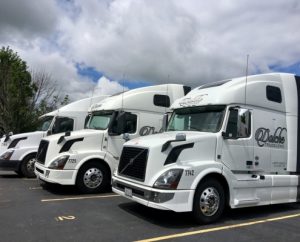
Assets ~$1.9M vs. liabilities ~$3.4M at filing.
Financial documents from the bankruptcy case reveal the scope of Dolche’s difficulties. The company reported approximately $1.9 million in total assets against about $3.4 million in liabilities at the time of filing. In other words, Dolche Truckload’s debts substantially outweighed its assets, underscoring the need for a restructuring. For insights on how heavy debt burdens are affecting carriers, explore our Debt coverage. Among its roughly 49 creditors, the most prominent is M&T Bank, which is owed close to $1.9 million stemming from truck and trailer financing deals.
Dolche’s bankruptcy petition listed other sizable obligations as well, including about $495,000 owed to the U.S. Small Business Administration (likely from a pandemic-era loan) and around $121,600 owed to Daimler Truck Financial. These debts and several smaller outstanding bills left the carrier financially overextended, especially as freight market conditions turned unfavorable. Financial stress from high debt loads, combined with a slowing freight economy, set the stage for Dolche’s Chapter 11 move.
Notably, Dolche Truckload’s owner has characterized the filing not as a failure but as a necessary step to restructure burdensome debt. “We are fully operational,” founder Desi Evans assured, emphasizing that “this is not a shutdown – it’s a restructuring of our debts.” In public statements, Evans has made clear that the goal of the bankruptcy is to renegotiate the company’s obligations with creditors while continuing to serve customers. By entering Chapter 11, Dolche obtained an automatic stay that freezes creditors’ collection efforts (such as lawsuits and equipment repossessions) for the duration of the court process.
This gives the company breathing room to craft a turnaround plan. In Evans’ view, Chapter 11 protection offers a path to financial restructuring that can address Dolche’s loan defaults and delinquent payments through an organized repayment plan, rather than a piecemeal liquidation of assets. The bankruptcy filing, therefore, was prompted by immediate creditor action but rooted in deeper financial challenges that leadership is now attempting to resolve through reorganization. For more news and updates on bankruptcy filings affecting the industry, see our Bankruptcy coverage.
Subchapter V: A Fast-Track Chapter 11 Plan for Dolche Truckload

Automatic stay preserves operations while negotiations proceed. (Everett McKinley Dirksen United States Courthouse)
One notable aspect of the Dolche Truckload bankruptcy case is the company’s use of Subchapter V, a special small-business provision under Chapter 11. Subchapter V (introduced by the 2019 Small Business Reorganization Act and effective since 2020) is designed to streamline and expedite bankruptcy reorganizations for qualifying small companies. Dolche Truckload met the eligibility criteria (which include a debt limit of under $7.5 million at the time), allowing it to proceed under this more efficient framework. By electing Subchapter V, Dolche aims to emerge from Chapter 11 faster and with lower administrative costs than a traditional Chapter 11 case.
Under Subchapter V, the reorganization process is on a relatively fast track. The debtor (Dolche) is required to submit a bankruptcy plan of reorganization within 90 days of filing, outlining how it will restructure and pay back its obligations. This expedited timeline encourages a quicker resolution. Additionally, Subchapter V cases do not automatically involve a creditors’ committee, which reduces complexity and expense.
A designated Subchapter V trustee oversees the case and facilitates negotiations, but management (and ownership) typically remains in control of day-to-day operations and the formulation of the reorganization plan. For Dolche Truckload, this means Desi Evans and his team retain the reins of the business while working on a plan to satisfy creditors and adjust debts to sustainable levels.
The advantages of Subchapter V are particularly relevant to a company of Dolche’s size. The process can be more affordable and debtor-friendly, allowing existing ownership to retain equity if certain conditions are met. In traditional Chapter 11, the absolute priority rule could prevent owners from keeping any stake if creditors aren’t paid in full. However, Subchapter V provides more leeway for small businesses to exit bankruptcy with the original owner still at the helm after successfully confirming a plan.
This is crucial for Evans, who has expressed a determination to guide Dolche through the storm and continue operations thereafter. By using Subchapter V, Dolche Truckload is effectively leveraging a tailored tool that U.S. bankruptcy law provides for small enterprises to reorganize swiftly. Evans has indicated an expected timeline of roughly six months to complete Dolche’s Chapter 11 Subchapter V restructuring. That ambitious target reflects confidence in the accelerated nature of Subchapter V. If all goes smoothly, the company could have a confirmed plan by late 2025, addressing its significant debts – such as the M&T Bank claim and other loans – through restructured payments or settlements.
A six-month turnaround is an aggressive but not impossible schedule under Subchapter V, mainly if creditors cooperate and the court approves the plan. It suggests that Dolche Truckload is aiming for a relatively quick exit from bankruptcy, minimizing the period of uncertainty for its customers, vendors, and employees. While the exact outcome will depend on negotiations with creditors and court approvals, the Subchapter V approach gives Dolche a fighting chance to reorganize successfully and continue as a going concern in a short timeframe. For additional insights into the challenges facing companies under Chapter 11, browse our Chapter 11 hub.
Defaulted Equipment Loans and Legal Action Triggered Chapter 11

M&T Bank is the largest creditor at about $1.9M. (One M&T Plaza, Buffalo, New York)
A closer look at the events precipitating the Dolche Truckload bankruptcy filing reveals that heavy equipment loans and their missed payments were at the heart of the issue. Dolche Truckload had expanded or upgraded its fleet in recent years using financed purchases of tractors and trailers, but those obligations became difficult to sustain. In December 2022, the company took on a five-year loan to acquire 10 new semi-trucks (tractors), a deal that came with a sizable monthly payment of about $40,600.
Additionally, back in September 2020, Dolche had financed 10 refrigerated trailers with a six-year loan, carrying a monthly payment of roughly $10,000. These two financing agreements – one for trucks and one for trailers – added a significant fixed debt service burden on the carrier’s balance sheet, exceeding $50,000 every month in combined payments. For insight into how heavy equipment loans can strain carriers, explore our Loans coverage.
For a time, Dolche Truckload presumably managed to keep up with these payments, but as freight business conditions worsened in late 2023 and into 2024, the strain grew. By the fall of 2024, the company had fallen into arrears on its equipment loans. In November 2024, M&T Capital and Leasing (a subsidiary of M&T Bank, which financed the truck and trailer purchases) sent Dolche a formal notice of default. This letter demanded immediate payment of approximately $1.89 million to cover the remaining balances on the loans, plus accrued default interest, late fees, and legal costs.
The default notice signaled that Dolche was deeply behind – essentially unable to continue the contracted payments – and it gave the carrier a short window to cure the default or face further action.
When Dolche Truckload could not meet this steep demand, M&T’s next step was to file a lawsuit in February 2025. In that suit, the lender alleged breach of contract and sought to enforce its rights to the collateral (the trucks and trailers). M&T Bank claimed that Dolche had wrongfully retained possession of the financed equipment despite not paying, and it highlighted that every day that passed without repossessing the assets caused them to depreciate further in value. This legal pressure was a clear warning that Dolche stood to lose a significant portion of its fleet to repossession, which would likely cripple its operations.
The lawsuit effectively cornered the company, facing a potential seizure of trucks and trailers vital to generating revenue, and Dolche had limited options. Rather than waiting for creditors to dismantle the business, the company chose the Chapter 11 route to pause the enforcement actions and attempt a controlled debt restructuring. For additional news on legal disputes and lawsuits affecting carriers, check out our Lawsuits section.
Within the bankruptcy filings, the picture of these loans and collateral became clearer. M&T Bank emerged as the largest secured creditor, with claims totaling roughly $1.9 million tied to Dolche’s equipment. However, the value of the collateral (the trucks and trailers themselves) was listed at just under $1 million in total – specifically, nine 2023 Freightliner tractors and one 2023 Volvo tractor were valued at around $800,000, and nine 2020 Wabash refrigerated trailers were valued at around $190,000. This meant that roughly half of M&T’s claim was under-secured (not covered by collateral value). For more on leading truck maker Freightliner and trailer manufacturer Wabash, check out their respective news sections.
In the bankruptcy schedules, M&T Bank is effectively an unsecured creditor for the deficiency of about $900,000 beyond the equipment value. This shortfall illustrates how the drop in equipment values and the depreciation of trucks can leave a lender exposed when a borrower defaults. It also underscores why Dolche Truckload was unable to sell assets to cover the debt – the market value of the rigs and trailers wouldn’t fully pay off the outstanding debt. For issues surrounding unsecured creditors in major bankruptcies, read more on our Unsecured Creditors coverage.
In addition to the M&T loans, Dolche had other financing obligations contributing to its bankruptcy. The company’s second-largest creditor, the SBA, is owed nearly half a million dollars. This likely corresponds to an Economic Injury Disaster Loan (EIDL) or other small business loan taken during challenging times (perhaps during the pandemic) that remained outstanding. Another key debt is the $121,620 owed to Daimler Truck Financial, which appears to be tied to a separate truck financing arrangement – possibly for a set of Freightliner trucks acquired through Daimler’s financing program. For updates on Daimler Truck Financial Services (DTFS) and its industry role, check out our DTFS coverage.
This suggests Dolche’s fleet growth involved multiple lenders, and it had various payment streams to juggle. By early 2025, those payments were no longer tenable. The loan defaults and the aggressive stance of creditors like M&T pushed Dolche to seek refuge in Chapter 11 court, where it could propose a plan to pay down or modify these debts over time. The bankruptcy will allow Dolche to potentially reduce monthly payments, extend loan terms, or even surrender some equipment if necessary, under an organized plan rather than a chaotic seizure of assets. To learn how carriers manage their equipment assets under financial distress, check out our Asset Management coverage.
“Not a Shutdown”: Operations and Workforce Remain Intact
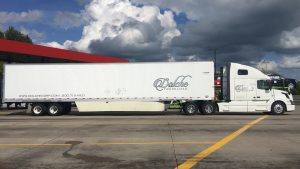
Fleet remains active: 57 trucks, 60 drivers, no layoffs.
Despite entering bankruptcy, Dolche Truckload has stressed that it is continuing normal operations and maintaining its workforce during the restructuring. The Chapter 11 filing came with a clear message from management: the carrier is not shutting down. At the time of the bankruptcy announcement, Dolche’s leadership confirmed that no layoffs would take place as a result of the filing. The company’s roughly 60 drivers and other staff have been assured their jobs are safe through the reorganization period. This commitment to keeping the current workforce intact indicates that Dolche is aiming for a reorganization that allows it to keep running its trucking services without interruption.
Dolche Truckload operates a fleet of trucks and trailers that, as of mid-2025, was still actively on the road serving customers. Federal records show the company employs about 57 power units (trucks/tractors) and a mix of refrigerated and dry van trailers. The carrier hauls a variety of freight, including general merchandise, refrigerated food products, produce, chemicals, beverages, and paper goods, among other commodities. Amid the bankruptcy process, Dolche continues to pick up and deliver loads in these sectors, striving to meet customer needs as usual.
By maintaining “business as usual” during court proceedings, the company hopes to preserve its revenue streams and customer relationships – critical assets that will help it successfully emerge from bankruptcy. Any disruption to operations could deteriorate the business’s value, so Dolche is keen to avoid that by keeping trucks running and drivers employed.
Desi Evans, the owner, has been vocal about the company’s ongoing service. By saying “we are fully operational” in communications about the bankruptcy, Evans sought to dispel any rumors that Dolche was closing its doors. This public reassurance serves not only employees but also shippers and brokers who might be concerned about working with a bankrupt carrier. In practical terms, Chapter 11 allows Dolche to continue paying regular operating expenses – such as driver wages, fuel, maintenance, and dispatch costs – as they come due, since those are necessary for preserving the business.
The court typically grants motions for the debtor to honor these normal expenses (and in Dolche’s case, there was no indication of issues covering payroll or ongoing costs). By stabilizing operations, Dolche Truckload is positioning itself to reorganize around a going concern, rather than liquidating. The drivers keep their jobs, freight keeps moving, and the company can use this period to restructure finances behind the scenes.
It’s worth noting that Dolche’s ability to continue operating also depends on cooperation from key stakeholders. Lessors, service providers, and customers need to continue their relationships with the company during the bankruptcy. So far, Dolche appears to have the necessary support to keep running. The bankruptcy court’s oversight can even work to the company’s advantage here. For example, the automatic stay stopped M&T Bank from repossessing the trucks and trailers, meaning Dolche can still use that equipment to generate revenue while the case proceeds.
In essence, Chapter 11 protection gives Dolche a chance to prove that it can still be a viable business if relieved of some debt pressure. Keeping the workforce engaged and the trucks moving is central to that proof. If Dolche emerges successfully, it aims to do so with its service levels and reputation intact, thanks to this continuity of operations during the restructuring phase.
Freight Recession Squeezes Small Trucking Fleets

Collateral includes 2023 tractors and 2020 reefers—partly under‑secured.
The story of Dolche Truckload’s bankruptcy is not unfolding in isolation – it’s part of a larger trend driven by a sustained freight recession that has battered the trucking industry over the past couple of years. A freight recession refers to a prolonged period of reduced freight volumes and freight rates, and the current downturn has been one of the most challenging in recent memory. Following a boom in 2021, trucking demand and spot market rates fell sharply beginning in 2022 and remained soft throughout 2023 into 2024. For analysis on the ongoing freight market recession and its repercussions, check out our Freight Market Recession coverage.
This downturn created an environment of excess capacity – too many trucks chasing too little freight – which in turn drove shipping prices down to levels that have made it hard for small and mid-sized carriers to turn a profit. Carriers like Dolche, which expanded their fleets or took on debt during better times, suddenly found themselves running loads at thin margins or even at a loss as the market softened. Stay abreast of developments shaping the freight market in our Freight Industry updates.
Industry data underscores how widespread the pain has been. By the end of 2023, tens of thousands of trucking companies had exited the market. In 2023 alone, around 88,000 motor carrier authorities were reportedly revoked, a clear sign of carriers shutting down operations or consolidating. That year was described by analysts as a “bloodbath” for trucking companies, and 2024 continued the shakeout. For more insights into changes within the trucking industry, explore our Trucking Industry coverage.
In the first half of 2024, there was a net loss of roughly 10,000 carriers in the U.S., indicating more trucking businesses closed than new ones started. Fast forward to early 2025, and the capacity purge was still in full swing – estimates suggested that over 1,500 trucking companies were closing up shop every week in the beginning of 2025, an alarming cadence that was about 8% higher than the closure rate a year prior. This wave of trucking company bankruptcies and closures has been attributed directly to the freight downturn squeezing carriers’ cash flows.
Small to medium-sized trucking firms have been especially vulnerable in this climate. Unlike large fleets, they often lack significant financial reserves or diversified business lines to cushion against lean periods. For Dolche Truckload, the broader market slump meant less revenue coming in just as costs – especially fixed costs like loan payments, insurance, and equipment maintenance – remained high. It’s a classic squeeze: when the freight market is booming, carriers can command high rates and cover their obligations comfortably, but when it busts, those obligations don’t shrink accordingly.
The trucking industry downturn also coincided with rising interest rates (which increase financing costs) and inflated costs for fuel and equipment maintenance compared to pre-pandemic norms. All these factors created a perfect storm where a company like Dolche, despite a decade-plus in operation and a solid customer base, could hit a financial breaking point.
Indeed, Dolche Truckload is one of many freight transportation companies that have sought bankruptcy protection during this recessionary period. In the second quarter of 2025 alone, at least 17 transportation and logistics firms filed for Chapter 11 bankruptcy across the country. These include other trucking carriers (like similar regional truckload fleets) and even some warehouse and distribution companies. The common thread in these filings is a heavy debt load colliding with a depressed freight market. Industry experts note that the combination of economic uncertainty and a tight lending climate has further exacerbated the situation. For a closer look at the financing challenges facing carriers, see our Financing coverage.
Lenders have become more cautious in extending credit to trucking companies amid the spate of failures, making it harder for struggling carriers to refinance or bridge cash shortfalls. The plight of Dolche Truckload, therefore, echoes a nationwide pattern: the freight recession has forced a reckoning within the trucking sector, driving many operators to either shut down or seek court-supervised restructuring as a last resort to weather the storm.
Spike in Equipment Repossessions Amid Trucking Downturn
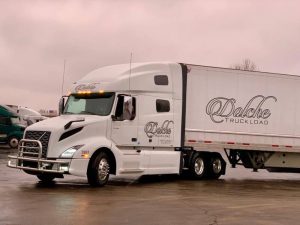
Expected levers: re‑amortize debt and surrender select assets.
Another industry-wide trend playing into the Dolche Truckload bankruptcy narrative is the surge in truck and trailer repossessions as carriers default on equipment loans. When the freight business was booming in 2018-2021, many trucking companies invested in new equipment, often financing these big-rig purchases through banks or specialized equipment lenders. Dolche itself did so to grow its fleet. However, as the market turned down, numerous operators struggled to keep up with their monthly payments for tractors and trailers. The result has been a sharp rise in repossessions of trucks, especially in the past year, as lenders move to recover assets from delinquent borrowers.
Reports from equipment finance analysts in mid-2025 highlight this repossession trend starkly. Used truck inventories at auction lots and dealers have swelled due to the influx of repossessed vehicles. For instance, the inventory of used medium-duty trucks (a category that includes many local delivery trucks, slightly smaller than highway tractors) jumped over 25% year-over-year by May 2025, primarily attributed to repossessions. To learn more about trends in the used equipment market and their impact on trucking, visit our Used Equipment page. While Dolche Truckload operates heavier Class 8 trucks for long-haul routes, the pattern is similar – many heavy-duty rigs are being handed back or seized as small fleets go under.
In many cases, owners are opting for voluntary repossession or surrender of equipment, effectively conceding that they can no longer afford the payments. An equipment finance manager noted that “the money’s not there” for many of these small trucking businesses and that trying to run to break even isn’t sustainable, leading owners to give up their trucks when cash flow dries up.
Dolche’s Chapter 11 filing can be seen partly as an attempt to avoid joining the ranks of companies whose assets are repossessed and liquidated. By filing for bankruptcy, Dolche activated legal protections that prevent lenders like M&T Bank from seizing its trucks and trailers without court approval. If the company can successfully restructure, it might avoid having to surrender all of its equipment. However, it’s possible that as part of a reorganization plan, Dolche could decide (or be compelled) to let go of some underutilized or over-leveraged assets to reduce debt.
Bankruptcy gives a structured way to do that, rather than the lender unilaterally repossessing everything at once. The restructuring plan might, for example, allow Dolche to keep a core portion of its fleet by catching up on payments or refinancing those units, while turning in a few trucks or trailers that are not essential or that carry unfavorable loan terms. Such outcomes are negotiated under the supervision of the court and the Subchapter V trustee.
The broader impact of widespread truck repossessions is also feeding back into the industry’s financial challenges. As lenders repossess more equipment and auction it off, the supply of used trucks increases, and market prices for used trucks fall. This can further impair the collateral value for loans across the board. In Dolche’s case, the valuation of its 2023 model trucks and 2020 trailers (just $990,000 combined for 18 tractors and nine trailers) reflects a market where equipment is worth less than it was a couple of years ago. Lenders, noticing these trends, have tightened their lending standards for trucking companies.
The combination of more bankruptcies, more repossessions, and declining asset values has made many banks and equipment financiers wary of the trucking sector in 2025. This credit tightening means carriers in distress have fewer avenues to borrow their way out of trouble. Dolche’s inability to refinance or obtain additional working capital when freight demand fell is a story echoed by peers. All these factors reinforce why a legal reorganization was one of the few tools left for Dolche Truckload to address its financial situation while continuing to operate.
Founder’s Perspective: Commitment to Restructuring Strategy
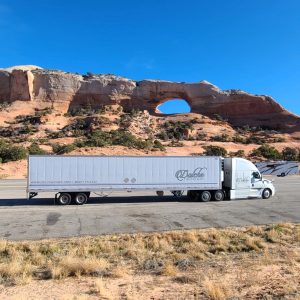
Management projects a six‑month path to exit Chapter 11.
Desi Evans, Dolche Truckload’s founder and owner, has been the public face of the company’s bankruptcy journey, offering reassurance and a steady message about the path forward. From the outset, Evans framed the Chapter 11 filing as a strategic move rather than a sign of defeat. His stance is that Dolche is using the legal process to restructure debt and come out stronger, rather than liquidating or closing down. By directly stating “this is not a shutdown,” Evans attempted to set a constructive tone: the company fully intends to survive the bankruptcy and continue serving the freight market.
Such statements are crucial in maintaining confidence among employees, customers, and business partners. In an industry where word travels fast, a declaration of bankruptcy can sometimes prompt shippers to pull contracts or brokers to shy away, fearing service disruptions. Evans recognized this risk and took a proactive communication approach to mitigate it.
The founder’s public comments also highlight his confidence in the Subchapter V process to deliver a timely solution. Expressing that the Dolche Truckload bankruptcy proceeding could finish in as little as six months signals to stakeholders that this will not be a protracted, multiyear saga. It suggests that Evans has a plan in mind (or in development) to quickly negotiate terms with creditors and present a confirmable reorganization plan to the court.
This might involve, for example, lining up new financing or capital contributions to address certain debts, or proposing a schedule of payments to creditors that the company’s projected cash flow can support. Evans’ optimism may stem from seeing other small trucking companies successfully reorganize under Subchapter V in recent years, as well as from Dolche’s operational strengths (such as a stable customer base and experienced workforce) that he believes will carry the company through.
Throughout the process, Evans has maintained an impartial and professional tone about Dolche’s situation, without directly blaming any external party but acknowledging the challenging environment. He has cited the need to “renegotiate… debts” and adjust the company’s capital structure as the primary reasons for the filing, indicating that the issue lies in the financial arrangements rather than in the underlying business model. Indeed, Dolche Truckload still has customers to serve and freight to haul; the demand for its services hasn’t vanished entirely, even if the market is soft.
Evans’ approach suggests a focus on collaboration with creditors. In a Subchapter V case, the debtor’s management often works closely with the trustee and key creditors to hash out a feasible plan. By keeping communications open and expressing a commitment to doing right by creditors (to the extent possible), Evans is likely aiming to secure goodwill that will make negotiations smoother. His public reassurances can be seen as part of that strategy: if creditors believe the company is honest, still viable, and sincerely trying to reorganize, they may be more flexible in settlement discussions.
Outlook: Life After Bankruptcy for Dolche Truckload
As Dolche Truckload’s Chapter 11 Subchapter V case progresses, the central question is what the company will look like once it emerges from bankruptcy protection. The outcome will largely depend on the reorganization plan being crafted and the concessions or agreements reached with creditors. In a successful scenario, Dolche would exit bankruptcy in late 2025 with a leaner balance sheet and a viable payment plan for its remaining debts. This could mean the company still owes money to creditors like M&T Bank, the SBA, and Daimler, but on modified terms – for example, longer repayment periods or reduced principal amounts – that better align with its revenue and cash flow.
The ideal goal for Dolche is to reduce its monthly debt service obligations to a level that can be supported even in a slow freight market. If achieved, this would correct the imbalance that initially pushed it into insolvency.
Operationally, Dolche Truckload hopes to continue with roughly the same fleet size and employee count it had before bankruptcy, or perhaps a slightly rightsized version of it. The company may decide to trim some assets or unprofitable segments as part of the reorganization. For instance, if particular trucks were underutilized, Dolche might relinquish those to cut costs. Or if it had any non-core business lines, it could refocus solely on its primary freight lanes and customer base.
However, given the statements from Evans about remaining fully operational and the emphasis on “no layoffs,” it appears the strategy is to keep as much of the operation intact as possible. The confidence in emerging from bankruptcy swiftly suggests that Dolche’s management believes the business is fundamentally sound once the debt overhang is addressed.
The broader trucking industry conditions will also influence Dolche’s post-bankruptcy fortunes. There are signs that the freight recession could bottom out and gradually improve in late 2025 or 2026. If freight volumes pick up and rates rebound even modestly, a reorganized Dolche Truckload would be poised to benefit from better cash flow, validating the decision to restructure and press on. On the other hand, if the downturn persists longer than expected, the company will need to stick to very disciplined financial management to make the reorganization succeed.
Going through bankruptcy can itself impose new costs and obligations (for instance, meeting plan payments to creditors on top of running the business), so Dolche will have to execute its turnaround plan diligently to avoid a relapse. Industry observers note that companies emerging from Chapter 11 must adapt lessons learned. For Dolche, that might mean avoiding over-leveraging on equipment in the future, building more financial cushion during good times, and diversifying its customer mix to mitigate risk.
In any case, the Dolche Truckload bankruptcy serves as a cautionary tale and a learning example within the trucking community. It highlights how crucial it is for carriers to align their growth and debt with market cycles, and how tools like Subchapter V can provide a lifeline when things go wrong. Dolche’s experience also reflects a measure of resilience: rather than closing up shop, the company is fighting to fix its problems through restructuring. For other examples of companies navigating financial restructuring to survive industry challenges, see our Financial Restructuring section.
Suppose Dolche Truckload successfully navigates the next few months and exits bankruptcy protection. In that case, it will join the ranks of trucking firms that managed to survive a brutal freight downturn by reinventing their finances. The road ahead will require careful steering, but with a restructured balance sheet and the freight market eventually recovering, Dolche hopes to keep on trucking – delivering loads and honoring a revamped set of financial commitments, long after the court proceedings conclude.
Dolche Truckload Bankruptcy: Key Developments
- Filed Chapter 11 Subchapter V in June 2025 to restructure, not liquidate.
- Reported ~$1.9M in assets vs. ~$3.4M in liabilities at filing.
- M&T Bank is the largest creditor (~$1.9M) tied to equipment financing.
- Collateral cited includes nine 2023 Freightliner tractors + one 2023 Volvo (~$800k) and nine 2020 Wabash reefers (~$190k).
- Default notice issued November 2024; lawsuit filed February 2025 seeking repayment and equipment recovery.
- Monthly payments that fell into arrears: ~$40,599 (tractors) and ~$10,008 (trailers).
- Company asserts it is fully operational with no layoffs; approximately 57 trucks / 60 drivers in service.
- Subchapter V framework expected to accelerate plan filing (~90 days) and lower costs vs. traditional Ch. 11.
- Target timeline communicated for completion: ~six months, subject to court and creditor outcomes.
- Anticipated plan levers: re‑amortize equipment debt, possibly select asset surrender, and apply automatic stay to preserve operations.
- Industry backdrop: ongoing freight recession, tighter credit, and rising equipment repossessions are pressuring used equipment values.
- Risk factors: failure to confirm a feasible plan could prompt conversion to Chapter 7; operational execution and market recovery remain pivotal.
Authoritative External References for Dolche Truckload’s Chapter 11 (Subchapter V)
- Company background and services: Dolche Truckload Corp — About & Capabilities
- Regulatory profile and safety data: FMCSA Company Snapshot — Dolche Truckload (USDOT 2082074)
- Legal framework overview: U.S. Courts — Chapter 11 Bankruptcy Basics
- Subchapter V program details: U.S. Trustee Program — Subchapter V Overview
- Statutory text: 11 U.S.C. Chapter 11, Subchapter V (LII)
- Trustee guidance and forms: Subchapter V Trustee Handbooks & Reference Materials
- Court venue information: U.S. Bankruptcy Court — Northern District of Illinois
- Docket access: PACER — Public Access to Federal Court Records
- USDOT registration maintenance: FMCSA Form MCS‑150 & Registration Updates
- Equipment lender context: M&T Equipment Finance — Leasing & Financing
- OEM captive financing: Daimler Truck Financial Services (North America)
- Tractor manufacturer: Freightliner Trucks — Official Site
- Refrigerated trailer manufacturer: Wabash — Refrigerated Van Trailers
- Additional tractor OEM: Volvo Trucks North America — Official Site
- Market conditions indicator: Bureau of Transportation Statistics — Freight Indicators & TSI
- Cost pressures benchmark: ATRI — Operational Costs of Trucking (Latest)