
- Tank carriers warn that severe speed reductions can create hazards for loaded hazmat trucks.
- Fuel marketers support nuisance-derate relief but seek limited safeguards for confirmed noncompliance.
- EPA’s proposed changes remain pending; existing trucks do not receive an automatic update.
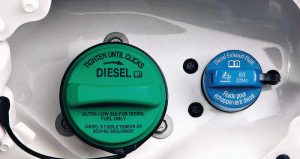
Separate, color-coded fill points help prevent diesel fuel and DEF from entering the wrong tank.
The DEF derate debate is bringing two connected parts of the bulk transportation business into EPA’s diesel-emissions rulemaking: carriers concerned about loaded-tanker safety and distributors concerned about the system that keeps diesel exhaust fluid available to customers.
National Tank Truck Carriers outlined its position in a September 1 announcement. Energy Marketers of America publicized its comments in its September 4 weekly review. Both support relief from severe nuisance derates, but their recommendations differ over the safeguards that should replace them.
Under EPA’s July proposal, mandatory SCR-related engine derates and speed reductions would be replaced with audible and/or visible notifications on newly manufactured diesel engines and vehicles. As of September 8, 2026, EPA continued to list the changes as proposed following the August 29 close of public comments.


Selective catalytic reduction, or SCR, uses DEF in the exhaust system to reduce nitrogen oxides. A derate limits engine performance to prompt corrective action. For bulk operators, the dispute reaches beyond a dashboard warning: it concerns what happens between detecting a fault and getting the truck, its cargo and its driver to an appropriate service location.
Tank Carriers Put Safe Travel to Repairs First
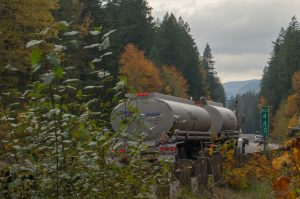
A Kenan Advantage Group tank truck photographed in 2018. (Photo: David Prasad, “KenAn Advantage,” CC BY-SA 2.0)
In its public statement on the proposed reforms, NTTC supports eliminating mandatory DEF/SCR derates. It argues that forcing trucks to travel far below surrounding traffic speeds can create conflicts, particularly when tank trucks carry hazardous materials.
The association also seeks more time before restrictions escalate, clearer driver notices, and limited overrides that permit travel to maintenance. Its recommendations still expect timely emissions repairs.
The statement presents an operating-safety concern; it identifies no specific crash or measured tanker-crash trend. For a carrier, the practical distinction is between a warning that allows a controlled maintenance response and a restriction that leaves a loaded vehicle with fewer safe options.
Fuel Marketers Seek a Limited Compliance Backstop
Energy Marketers of America’s comments seek no performance restriction for unconfirmed sensor, wiring, or component faults. For a reliably confirmed empty DEF tank, unsuitable fluid or actual tampering, however, the group favors delayed, modest restrictions that allow safe travel to service or replenishment.
Its distribution concern involves the economics of bulk storage, dedicated dispensers, and delivery networks. Less predictable purchasing could raise per-gallon costs and weaken service at low-volume rural locations, it argues. Those are projected risks, not documented losses from this proposal.
The group also requests a model-year 2031 transition without early adoption, unless evidence supports an earlier change. EPA proposes implementing the heavy-duty notification approach no later than model year 2029, with earlier adoption allowed.
The central disagreement is whether alerts alone will reliably prompt replenishment and repair, or whether some confirmed conditions still warrant a performance consequence.
Existing Fleets Still Need an Engine-Specific Plan

A blue-capped AdBlue reservoir sits beneath the diesel fuel tank on a European Volvo FH13, photographed in 2018. (Photo: Cjp24 / Wikimedia Commons, CC BY-SA 4.0)
The proposed certification changes apply to new equipment. EPA is considering a separate process for manufacturers to modify in-use engines. Publication of stakeholder comments therefore does not change the software in a tractor already hauling a load.
Earlier guidance provides a separate avenue for relief. EPA’s August 2025 guidance permits manufacturers to adopt less severe inducement schedules. Its March 2026 DEF-monitoring guidance allows alternative sensing strategies, including nitrogen-oxide sensors, and conforming software updates on existing products. Availability depends on the manufacturer and engine configuration.
That makes the immediate fleet question specific: which approved update is available for this engine, what faults does it address, and how does the revised warning sequence work? Maintenance and dispatch personnel need the same answer before treating a software change as additional operating flexibility.
The broader EPA 2027 diesel rewrite also distinguishes emissions inducements from protective derates intended to prevent catastrophic engine or aftertreatment damage. The proposal would not eliminate every power reduction or authorize removal of emissions controls.
Fluid quality remains an operating requirement. API’s DEF guidance calls for a suitable product, dedicated bulk tanks and dispensing equipment, and protection against contamination. Tank Transport’s coverage of low-quality DEF and fleet handling explains why purchasing and transfer practices remain important regardless of the warning strategy.
When questionable fluid must be removed from a truck or bulk tank, Tank Transport’s diesel exhaust fluid disposal guide explains how to distinguish clean surplus, off-spec product, and contaminated material, and confirm an appropriate recovery or disposal route.
DEF Derate Debate: Key Developments
- Safety: NTTC seeks a workable maintenance path for tank trucks.
- Safeguards: Fuel marketers favor limited restrictions for verified noncompliance.
- Status: EPA’s rule remains proposed following the August 29 comment deadline.
- Fleet action: Confirm engine-specific updates while maintaining DEF quality and repair practices.