
PHMSA Clarifies Organic-Peroxide Tank Limits and Caustic-Soda Residue Rules
An October 6 PHMSA interpretation rejects two claimed quantity caps while preserving filling restrictions and hazardous-residue transportation requirements.

Tank Transport Trader presents the latest news on Transport Regulations, policies, politics, laws, enforcement, compliance – and more news for the transportation & liquid dry-bulk industry –
An October 6 PHMSA interpretation rejects two claimed quantity caps while preserving filling restrictions and hazardous-residue transportation requirements.

FMCSA expressly includes tankers in its five-year warning-beacon exemption. Cargo eligibility, equipment specifications and operating limits determine which automated bulk movements can use it.

The October 5 diesel order leaves fleets and fuel sellers with separate questions about federal liability, state eligibility and product specifications. Current state guidance shows why the answer can change with the load and route.
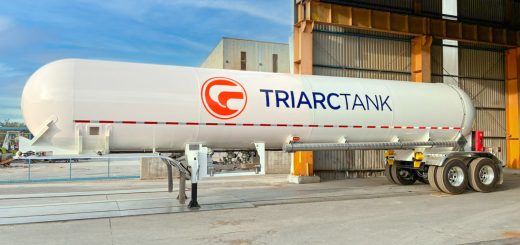
PHMSA’s new ASME Section XII option ties cargo-tank construction to a defined inspection and repair framework. Here is what fleets, manufacturers and service shops need to evaluate before choosing it.

The CAFE rollback points to a slower modeled decline in light-duty fuel use. For petroleum carriers, the opportunity depends on customer volumes, distribution networks and equipment utilization.

EPA is reconsidering annual vapor-tightness thresholds for gasoline cargo tanks. The proposal raises practical questions about test repeatability, terminal acceptance and the requirements fleets must still meet.

Federal relief gives qualifying gasoline and diesel haulers more driving flexibility through December 16. Truck configuration, rest, return trips and carrier eligibility determine how fleets can use it.
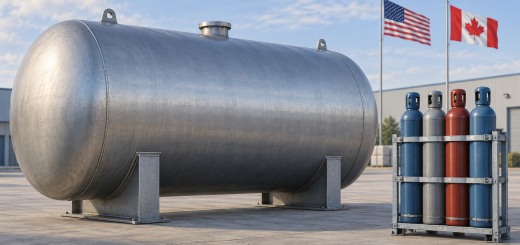
Canada’s September 8 changes raise scheduled rates on specified U.S.-origin tanks and gas containers. Existing product-specific relief makes customs classification and remission claims central to the actual cost.

Tank carriers and fuel marketers outline different safeguards for DEF faults, opening a focused debate over highway operations, maintenance access and distribution economics.

NHTSA says its authority reaches complete commercial vehicles, not separate engine families. The interpretation signals a future reset without changing current fleet obligations.

Find reporting on regulations, fleets, equipment, terminals and the liquid and dry-bulk transportation market.










Simplify your path to success. Fill out the form below and our team will be in touch to discuss how we can help your brand thrive.
[contact-form][contact-field label=’Name’ type=’name’ required=’1’/][contact-field label=’Company’ type=’text’/][contact-field label=’Email’ type=’email’ required=’1’/][contact-field label=’# of Listings’ type=’text’ required=’1’/][contact-field label=’Ad Placement’ type=’checkbox-multiple’ options=’Print,Digital’ required=’1’/][contact-field label=’Comment’ type=’textarea’/][/contact-form]
-We will send info for online registration and answer any inquiries you have, after we receive your form.

Get liquid and dry-bulk transportation news, equipment updates, market trends, regulatory coverage, and Tank Transport Trader publication updates delivered to your inbox.
Join 20,000+ transportation professionals following Tank Transport.
No spam. Unsubscribe anytime.