Sponsored content from Paragon
Before selecting a pump, compressor, cooler, or blower, fleet managers should consider how the complete system will function once the truck enters service. Three questions can help guide the tank truck specification process.
1. Can the system fit the available space?
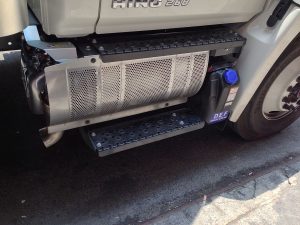
Frame rail space is limited on a modern truck. Fuel tanks, diesel exhaust fluid (DEF) tanks, and hydraulic tanks all compete for room. Equipment that fits on paper can create installation challenges if mounting locations, hose routing, and service clearances aren’t considered early in the specification process.
2. Can the system be maintained efficiently?
Accessible components can make routine inspections and maintenance easier. Filters, sight glasses, and controls should be easy to inspect and access. Considering serviceability during specification can help simplify maintenance throughout the life of the truck.
3. Are the components designed to work together?

A Paragon HydraCHEM system mounted beside a truck’s fuel tank, with controls and connections on the front of the enclosure. (Photo courtesy of Paragon.)
Hydraulic cooling, controls, and supporting equipment all affect system performance. Sourcing compatible components from multiple suppliers requires coordination, while integrated systems can help simplify installation.
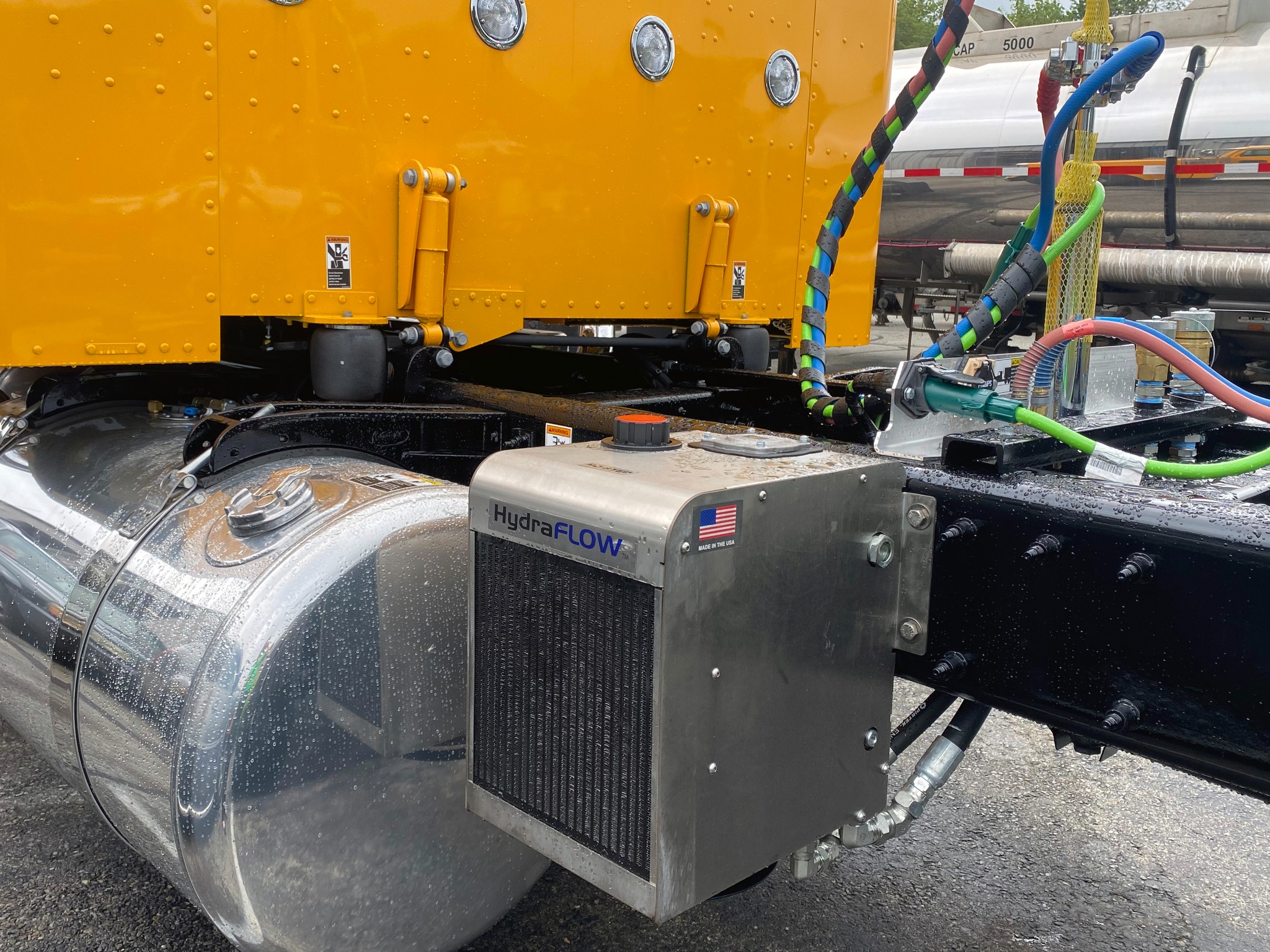
According to Paragon, its HydraFLOW Series hydraulic coolers are designed for applications where installation space, maintenance accessibility, and cooling performance matter. The company describes its HydraCHEM All-in-One Pumping Systems as combining hydraulic cooling, air compressor, and product-transfer functionality in a compact package for tank truck applications.
Explore the HydraFLOW and HydraCHEM product ranges to learn more about Paragon’s approach to installation, serviceability and integrated transport systems.