- A Texas filing places the new Ninth Avenue Foods dairy-processing plant at 288,786 square feet, with a $76 million construction cost and a November 2027 target.
- Longview economic-development officials previously tied the project to more than $200 million in total investment and 150 full-time jobs over five years.
- The Ninth Avenue Foods plant could create a significant new food-grade tank transport lane, but milk volumes, carrier contracts and the Longview product mix have not been announced.
The new Ninth Avenue Foods plant planned for Longview, Texas, has entered the construction window listed in a newly registered state record, giving food-grade carriers a clearer view of the project’s scale—but not yet its freight volumes. The Texas Department of Licensing and Regulation filing lists a July 20, 2026, start date, a November 1, 2027, completion target, and an estimated construction cost of $76 million.
The registered work covers a 282,386-square-foot dairy-processing facility and a separate 6,400-square-foot wastewater-treatment facility at 5921 Lou Galosy Way. At a combined 288,786 square feet, the Longview dairy plant is substantial enough to become a new East Texas dairy processing node and a potential source of recurring inbound liquid-bulk freight.
That potential should not be mistaken for awarded business. Ninth Avenue Foods has not publicly identified its raw-milk sourcing area, expected production volume, receiving schedule, tank specifications or contracted carriers. Those missing details will determine whether the dairy logistics expansion produces primarily local milk routes, longer regional movements, liquid-ingredient lanes or some combination of the three.


A $76 Million Build Within a Larger Investment

The registered $76 million construction project covers 288,786 square feet, while Ninth Avenue Foods’ broader Longview plan calls for more than $200 million in investment and 150 jobs over five years. The figures represent different scopes. Sources: TDLR and LEDCO. (Graphic by Tank Transport.)
The construction filing and the larger investment figure describe different scopes. The state record assigns $76 million to the currently registered building project. The Longview Economic Development Corporation, or LEDCO, said that when it approved a performance agreement in October 2025, Ninth Avenue Foods planned to invest more than $200 million and create 150 full-time jobs over five years.
LEDCO described the project as the company’s third manufacturing facility. Ninth Avenue Foods already operates in California and Indiana and identifies itself as a fourth-generation, family-owned dairy and beverage manufacturer with more than 50 years of industry experience.
Longview’s water supply and wastewater treatment capabilities were important in the site selection decision, according to local economic development officials. The separate wastewater facility in the state filing reinforces how closely plant utilities, sanitation and production capacity are linked in a modern dairy operation.
What the Ninth Avenue Foods Plant Could Move by Tank
Ninth Avenue Foods specializes in extended-shelf-life dairy, private-label production, and co-packing. Its company portfolio includes standardized, lactose-free, flavored, protein-fortified and organic milk; dairy and nondairy creamers; half-and-half; heavy whipping cream; and plant-based alternatives. The company has not said which of those products will be made in Longview.
Depending on that final product mix, milk hauling in Texas could include farm or transfer-station pickups of raw milk as well as inbound movements of cream, dairy bases and other liquid food ingredients. Plant-based production could create a different supplier and allergen-control profile. Finished retail products would generally leave in packaged form. Hence, the strongest tank-truck opportunity is likely to be on the inbound side and in any interplant transfers—but that remains an operational inference until the company releases procurement details.
For carriers, the important early questions are not simply how much milk the plant can process. Route density, unloading time, appointment windows, trailer compatibility, wash access and the balance between dedicated and multi-customer equipment will shape the economics. Tank Transport’s previous coverage of milk-hauling costs shows why plant location and empty-mile exposure can matter as much as the headline volume.
Food-Grade Qualification Will Shape the Carrier Pool
Food-grade tank transport involves a tighter qualification process than simply having available stainless-steel capacity. The FDA’s Sanitary Transportation Rule establishes requirements involving suitable and cleanable equipment, temperature control where necessary, protection from contamination and allergen cross-contact, training and records. Grade “A” milk movements also operate within specialized federal-state dairy controls.
A prospective carrier may therefore need to document prior cargoes, wash and sanitation procedures, trailer condition, seal practices, temperature control and driver training before price negotiations become meaningful. Dedicated equipment or restricted prior cargo lists may be required, depending on the product and shipper specifications. Tank Transport’s broader guide to dairy supply chain logistics explains how these controls extend from the farm and receiving bay through processing and distribution.

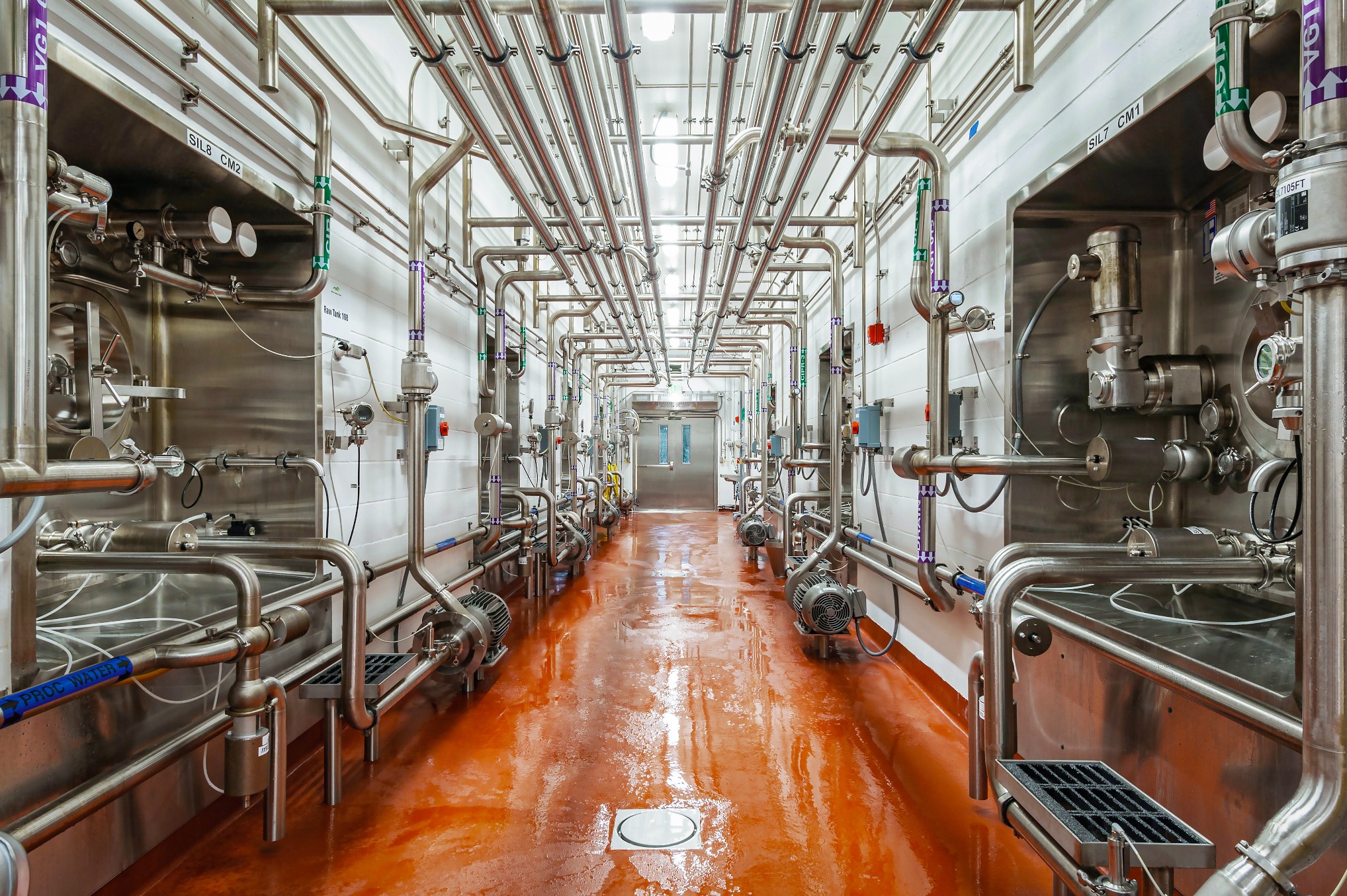
Ninth Avenue Foods’ existing 260,000-square-foot dairy and plant-based beverage facility in Columbus, Indiana. This photograph does not show the planned Longview, Texas, plant. (Photo: Ninth Avenue Foods.)
The Ninth Avenue Foods plant may also create demand outside the milk tank itself. Food-grade wash capacity, pumps, hoses, sanitary valves, maintenance support, testing, wastewater services and emergency coverage can become part of the operating network around a large processor. Equipment suppliers can review Tank Transport’s coverage of food-grade tanker design and service expansion for related fleet considerations.
For now, the highest-value signals will be a confirmed Longview product slate, a procurement or transportation contact, supplier qualification documents, named dairy sources, carrier awards and an opening schedule that goes beyond the construction target. Those disclosures will show whether the Ninth Avenue Foods plant becomes a major new milk lane, a diversified liquid-ingredient destination or primarily a packaged-product manufacturing and distribution site.
Ninth Avenue Foods Plant Key Developments
- The Texas project registration lists 288,786 square feet of dairy-processing and wastewater facilities with an estimated $76 million construction cost.
- The filing gives July 20, 2026, as the planned start date and November 1, 2027, as the planned completion date; both remain project schedules rather than guarantees.
- LEDCO previously announced more than $200 million in planned investment and 150 full-time jobs over five years.
- No production volume, milk-sourcing radius, carrier award, tank-truck count, or Longview-specific product mix has been disclosed.
- Food-grade carriers should monitor supplier qualification, sanitation, washing, prior cargo, temperature control, and appointment requirements as procurement develops.