- Texas’s July 14 disaster declaration can provide temporary hours-of-service relief for motor carriers delivering direct emergency assistance. Still, it does not cover every load moving into or through the 59 declared counties.
- CDL, drug-and-alcohol, hazardous-materials, size-and-weight, registration and tax requirements remain in force unless a separate authority expressly waives them.
- Fuel Relief Fund’s 2025 Hill Country response shows how tanker-based fuel support can keep recovery equipment moving, although a new 2026 Texas deployment had not been publicly confirmed as of July 22.
The current Texas flood HOS relief remains available for qualifying emergency transportation after severe storms and flash flooding damaged communities across the state. Still, the exemption is narrower than a general suspension of trucking rules.
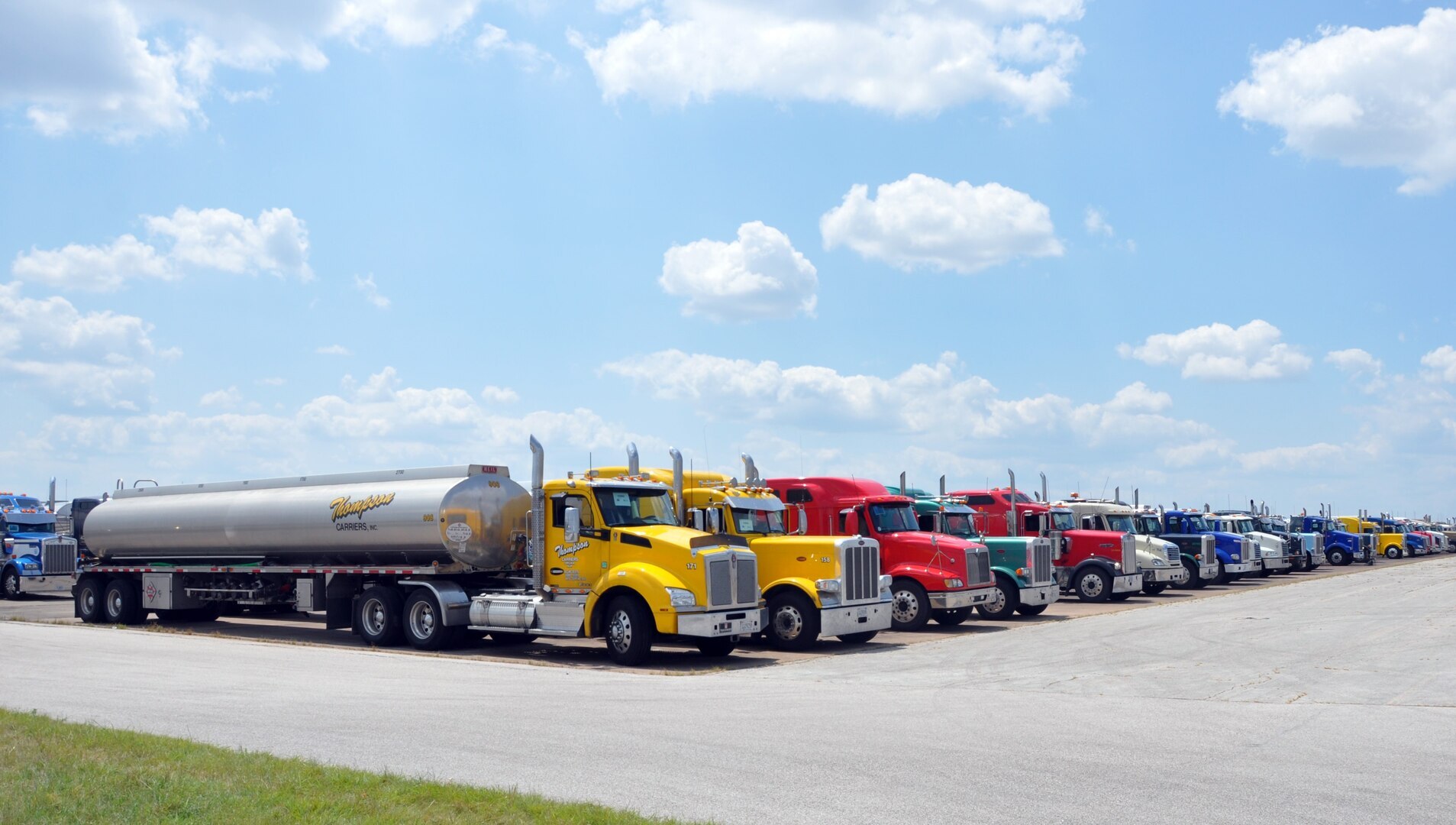
DLA Energy staged fuel trucks at Fort Hood for FEMA’s Hurricane Harvey response in 2017. (Photo credit: Fort Hood Public Affairs/DLA)
The July 14 Texas emergency declaration covers 59 counties. The Federal Motor Carrier Safety Administration lists the declaration as effective from July 14 through July 28, 2026. Under federal emergency provisions, relief can extend to interstate drivers and carriers furnishing direct assistance in response to the declared emergency.
For tank transport operators, qualifying work could include emergency fuel hauling for first responders, generators and debris-removal equipment; emergency water hauling from approved sources; wastewater removal needed to protect health or restore essential services; and other movements directly supporting the response. The commodity alone does not make a trip eligible.


Texas had moved from rescue toward cleanup and rebuilding by July 20. According to the governor’s July 20 response update, approximately 490 homes were damaged, and the state remained in an elevated response posture while debris removal, infrastructure restoration and recovery continued.
What Texas Flood HOS Relief Actually Covers
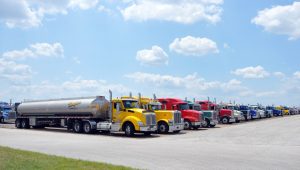
DLA Energy staged fuel trucks at Fort Hood for FEMA’s Hurricane Harvey response in 2017. (Photo credit: Fort Hood Public Affairs/DLA)
FMCSA says an HOS exemption under a state or federal declaration can follow qualifying interstate transportation when a carrier is providing “direct assistance” to an emergency. Under 49 CFR 390.23, that can temporarily relieve applicable requirements in Parts 390 through 399 of the Federal Motor Carrier Safety Regulations, including hours-of-service rules. At the same time, the emergency and the direct-assistance work remain active.
It does not convert ordinary commercial freight into disaster response trucking. A routine fuel delivery to an unaffected customer, a load merely passing through a declared county, or a shipment added to a normal route for convenience should not be assumed to qualify.
The limits are equally important. FMCSA states that emergency relief does not itself waive commercial driver’s license requirements, drug-and-alcohol testing, hazardous-materials regulations, size-and-weight rules, state or federal registration, or tax requirements. For cargo-tank fleets, shipping papers, placards, emergency-response information, loading procedures and hazardous-material handling controls therefore remain essential.
The declaration also does not establish that Texas has a statewide gasoline or diesel shortage. It addresses disaster response transportation. Broader rack availability and product distribution risks remain a separate issue examined in Tank Transport’s recent analysis of the fuel supply crunch.
Fuel Relief Fund Shows Why Last-Mile Fuel Matters
Fuel Relief Fund provides a useful example of what direct emergency fuel logistics can look like. Following the July 2025 Hill Country floods, the nonprofit began distributing free diesel and gasoline in Ingram before moving to Center Point. Its volunteers also supplied diesel exhaust fluid, bar-and-chain oil and two-stroke oil to first responders and crews clearing debris.
Fuel Relief Fund provides free emergency fuel during disasters and other major emergencies. (Courtesy of: Fuel Relief Fund)
According to Fuel Relief Fund’s deployment report, the operation delivered more than 18,400 gallons of fuel over seven days. Sun Coast Resources, RelaDyne, Chevron and The Home Depot supported the mission, while Regulators Transportation and Services and Top It Off Fuel Services helped deliver fuel to affected areas.
That operation demonstrates the difference between physical fuel relief and regulatory relief. Fuel Relief Fund sources and distributes free product where fuel access is obstructing recovery. An emergency declaration, by contrast, can provide qualifying carriers with limited operating relief so that direct assistance can reach the disaster area.
Fuel Relief Fund’s public blog and deployment tracker did not list a new deployment for the July 2026 Texas floods as of July 22. Please do not include the 2025 figures in the current response. Tank Transport previously covered the organization’s role in Los Angeles wildfire fuel relief, where emergency fuel delivery and proposed transportation waivers were also distinct parts of the response.
Seven Checks Before an Emergency Dispatch
Carriers considering work under the declaration should document the operational basis for each trip rather than relying on a broad “flood relief” label:
- Confirm that the Texas declaration remains active and has not been modified or terminated.
- Identify the emergency agency, relief organization, utility, contractor or affected recipient requesting the load.
- Record how the transportation directly supports the active emergency or recovery operation.
- Verify that any claimed relief applies to the driver, vehicle, route and stage of the movement.
- Maintain compliance with every requirement not expressly suspended, especially CDL, hazmat and drug-and-alcohol rules.
- Check current road closures, bridge restrictions, terminal access and delivery-site conditions before dispatch.
- Do not dispatch a fatigued or medically unfit driver merely because hours-of-service relief may apply.
FMCSA advises carriers to coordinate with state emergency officials and warns that state permit, weight, and tax rules may not have been waived. Its emergency-declaration hotline is 877-831-2250. For potable-water work, fleets should also verify source approval, sanitation, testing, and distribution requirements; Tank Transport’s water-tank transport analysis outlines why emergency water movements require more than just an available tank and driver.
On July 17, Gov. Greg Abbott separately requested a presidential major disaster declaration for 28 counties. That request concerns federal recovery assistance and should not be treated as an expansion of the motor-carrier exemption unless FMCSA or another competent authority issues additional relief.
Texas Flood HOS Relief: Key Developments
- Texas declared a disaster in 59 counties on July 14, and FMCSA currently lists the declaration through July 28, 2026.
- Hours-of-service relief is limited to carriers and drivers providing direct assistance while the declared emergency remains active.
- The declaration does not automatically waive CDL, drug-and-alcohol, hazmat, size-and-weight, registration or tax requirements.
- Texas requested a separate presidential major disaster declaration for 28 counties on July 17.
- Fuel Relief Fund delivered more than 18,400 gallons during the 2025 Hill Country recovery, but no new 2026 Texas deployment had been publicly posted as of July 22.