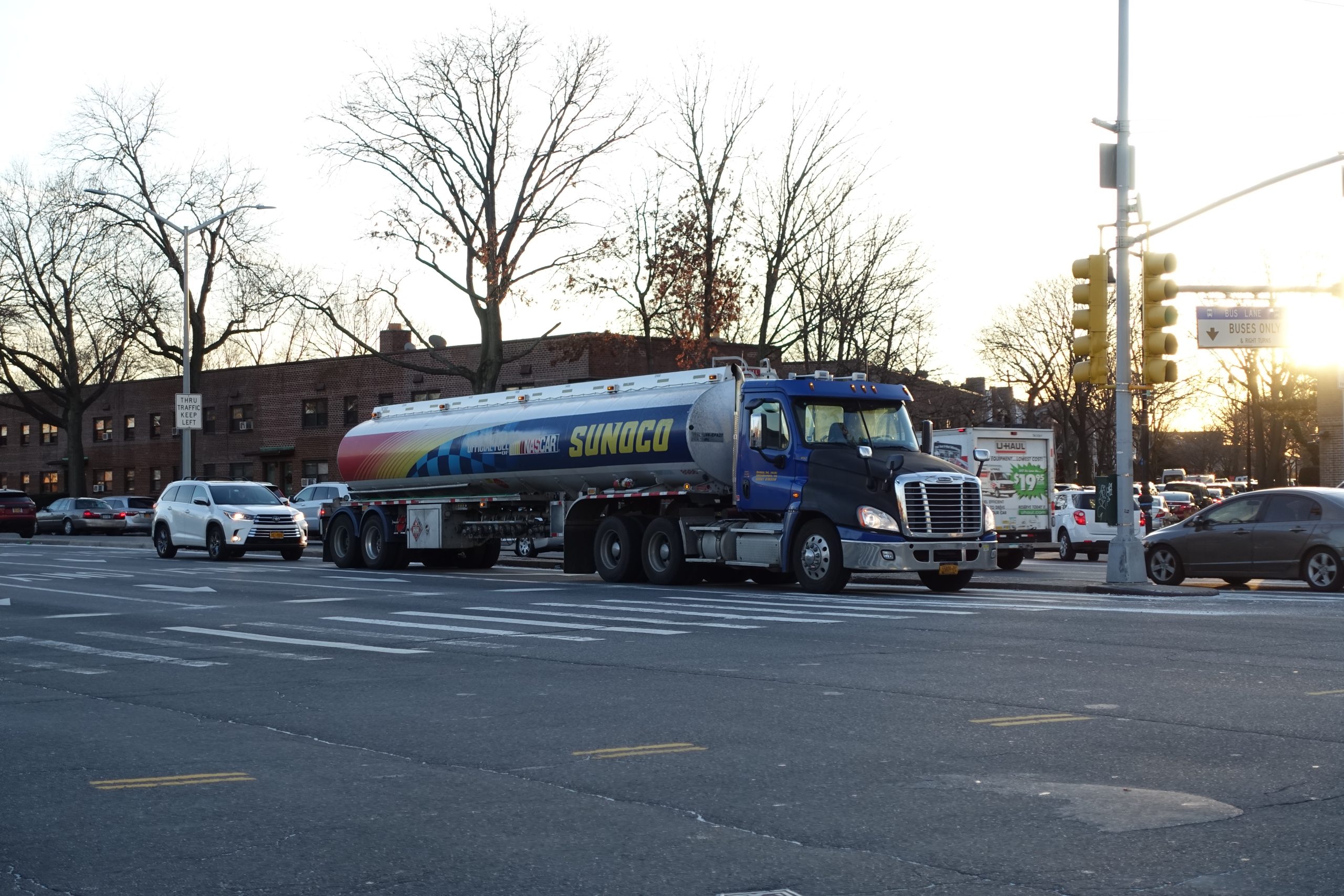
Featured photo: A Sunoco tanker operates in Queens, New York, in January 2022. This file image predates and is not connected to the pending Offen transaction. (Photo: Tdorante10/Wikimedia Commons, CC BY-SA 4.0; cropped)
- Sunoco LP agreed to acquire Offen Petroleum in an approximately $600 million all-cash transaction that remains subject to regulatory approval.
- Offen’s 2.5-billion-gallon network exceeds the more than 1 billion gallons it attributes to company-operated logistics, although the figures may use different periods, products or scopes; public sources do not show that Offen’s own fleet hauls every gallon.
- The deal would bring an established fuel, propane, lubricant and DEF delivery platform under Sunoco control, but Sunoco has not disclosed the exact cargo-tank, terminal, workforce or integration plan.
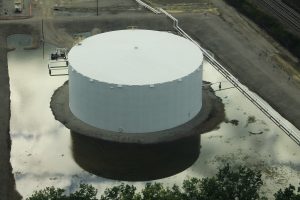
A Sunoco fuel tanker operates in Queens, New York, in January 2022. This file photo predates and is not connected to Sunoco’s pending acquisition of Offen Petroleum. (Photo: Tdorante10/Wikimedia Commons, CC BY-SA 4.0; cropped)
Sunoco LP’s pending Sunoco Offen acquisition would place a regional fuel-distribution platform handling approximately 2.5 billion gallons a year inside Sunoco, the largest independent fuel distributor in the Americas and a leading operator of energy infrastructure. Sunoco announced the approximately $600 million all-cash agreement on Aug. 6, one day after SunocoCorp’s consolidated Form 10-Q said the Partnership signed a definitive agreement for a matching U.S. fuel-distribution transaction.
The deal has not closed. Sunoco expects completion in the fourth quarter of 2026, subject to regulatory approval and customary closing conditions. Until then, Offen remains a separate operator, and no announced change to its drivers, equipment, customers, brands, rates or loading points has taken effect.

For tank and bulk operators, the consequential asset is not merely Offen’s 800-plus retail stations. Offen runs a federally registered carrier operation moving gasoline, diesel, propane, lubricants and diesel exhaust fluid. The public evidence confirms a substantial delivery platform. Still, it does not establish new tanker capacity, disclose a cargo-tank trailer count or show how Sunoco will integrate Offen’s routes with its terminal network.
If completed, the acquisition would transfer control over an existing 2.5-billion-gallon distribution network—not create 2.5 billion gallons of new demand or new tanker capacity.What the Sunoco Offen acquisition would add
Sunoco’s acquisition announcement says Offen serves approximately 7,000 customers and more than 800 retail stations across the Midwest, Mountain West and Southwest. Sunoco says the transaction will be immediately accretive and increase cash flow available for distributions and reinvestment. Those benefits are management forecasts, not realized results.
Sunoco’s Aug. 10 investor presentation already includes pending Offen in a pro-forma fuel-distribution profile exceeding 17 billion gallons annually. Sunoco’s announcement describes its existing system as distributing more than 15 billion gallons. On those rounded figures, Offen is equivalent to roughly one-sixth of Sunoco’s stated pre-deal volume. Still, the known Sunoco-brand relationship, possible customer or supply overlap, and rounded figures prevent a clean additive calculation.
The same caution applies to locations. Offen already lists Sunoco among the brands it supplies, and Sunoco’s presentation continues to show approximately 11,000 contracted locations after including the pending transaction. Neither company has published the overlap needed to determine how many locations or gallons would be truly incremental.
The public record supports a precise known-versus-unknown comparison:
| Disclosed element | Public figure | Tank/bulk consequence | Still undisclosed |
|---|---|---|---|
| Transaction | Approximately $600 million, all cash | Control of an established distribution platform if the deal closes | Financing source, purchase multiple, working-capital terms and quantified synergies |
| Offen network | Approximately 2.5 billion gallons annually; roughly 7,000 customers; more than 800 retail stations | Large recurring gasoline, diesel and related-product delivery demand | Product mix, customer concentration, contract duration and gallons by region |
| Carrier census | 274 power units and 289 drivers in Offen’s May 1, 2026 MCS-150 | Confirms a substantial operating carrier, not a contracts-only distributor | Cargo-tank trailer count, fleet age, ownership, utilization and equipment included at closing |
| Company logistics | More than 1 billion gallons delivered annually by a mixed fleet | Material private-fleet and for-hire delivery activity | Outside-carrier share and whether all figures use the same period and scope |
| Closing | Expected in Q4 2026, subject to approval | No announced operational-control change before completion | Reviewing agencies, milestones, remedies and exact closing date |
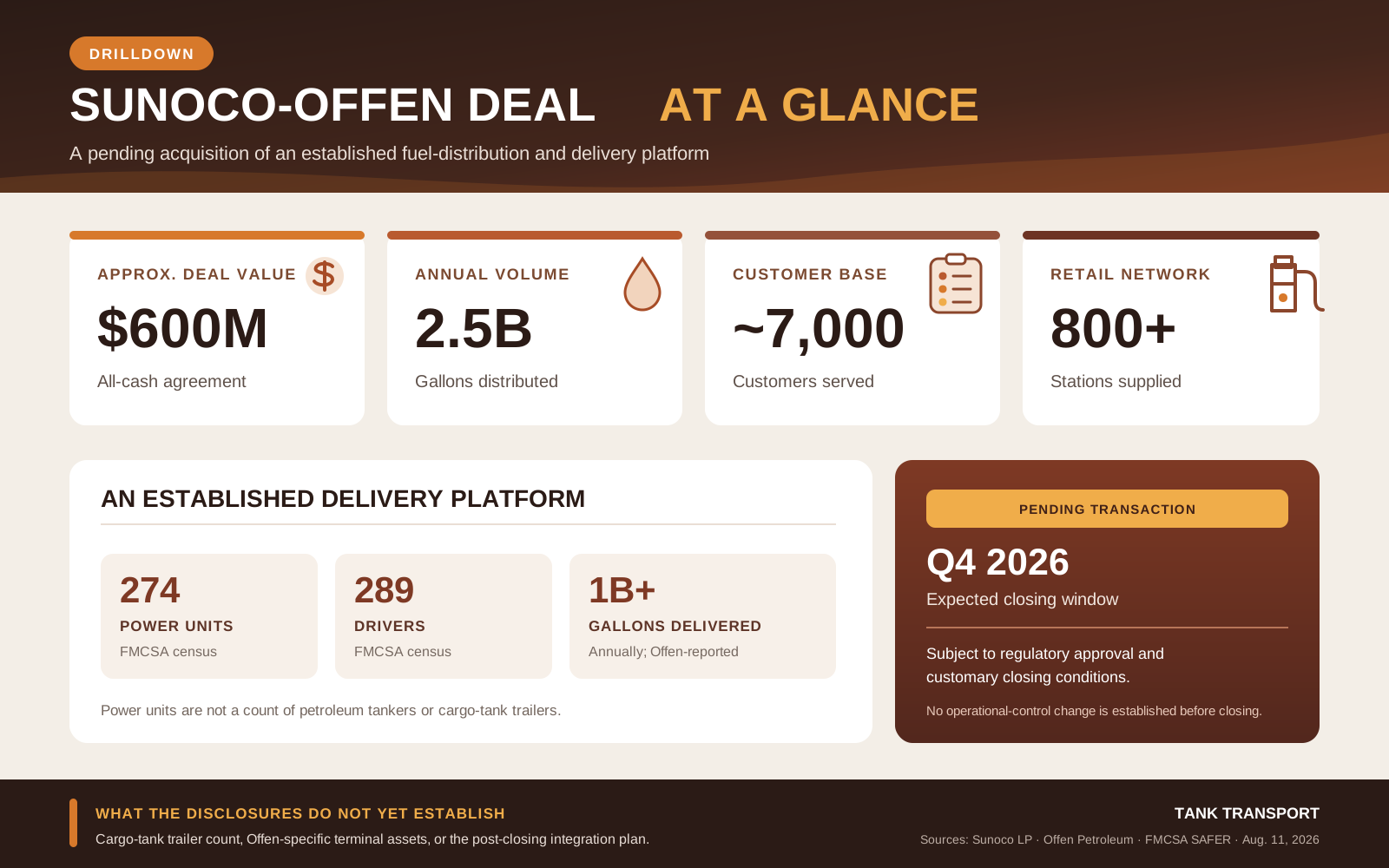
The pending Sunoco–Offen transaction has clear network scale, but its exact fleet, terminal and integration plan remains undisclosed. (Graphic: Tank Transport; sources: Sunoco, FMCSA and Offen Petroleum)
The contrast is important: the network figures are large, while the asset schedule is not public. In the public Sunoco disclosures reviewed through Aug. 11, no Offen-specific purchase agreement was located. The disclosures do not provide Offen revenue, EBITDA, margins, terminals, storage capacity, real estate, trailers or route-level data.
Offen is already a multi-product tank-delivery platform.
Offen’s own logistics description says its drivers deliver more than 1 billion gallons a year using more than 200 mixed units. The company identifies fuel transports, tank wagons, propane bobtails and transports, DEF transports, lubricant delivery trucks and warehouse vehicles. It also says the fleet uses onboard monitoring and cameras to track hours of service, fuel efficiency, equipment performance and safety events.
A current FMCSA SAFER snapshot, based on an MCS-150 filed May 1, 2026, lists 274 power units, 289 drivers and about 16.8 million miles during 2025. “Power units” is not a count of petroleum tankers or cargo-tank trailers. The federal record also does not establish how the registered fleet would be treated at closing.
The difference between Offen’s 2.5 billion distributed gallons and the more than 1 billion gallons attributed to its logistics division is central. The sources do not disclose the balance moved by outside carriers, customer pickup, or other arrangements, and they may use different periods or product scopes. Calling Offen a “2.5-billion-gallon tanker fleet” would therefore be inaccurate.
The strongest fleet evidence is substantial but bounded: FMCSA lists 274 power units, while Offen says its logistics division delivers more than 1 billion gallons a year.Offen’s delivery scope extends beyond full transport loads. Its fuel operation markets branded and unbranded supply, wet-hosing and metered delivery into underground and aboveground tanks. Its DEF operation offers bulk deliveries of as much as 5,000 gallons in dedicated trailers, plus totes, drums and cases. Propane and lubricants add bobtail, transport and packaged-product work with different routing, equipment and customer-service demands.
This platform was assembled over years. Offen’s acquisitions included Ozark Mountain Energy, Pathfinder Transport, Gas Depot and Douglass Distributing. Tank Transport’s coverage of Offen’s 2023 Gas Depot acquisition documented its entry into the Great Lakes region. Sunoco is proposing to buy an already-consolidated regional distributor, not a single small fuel jobber.
Ownership would not guarantee rebranding or added capacity
Sunoco’s pending Offen Petroleum acquisition would combine a major regional delivery platform with a much larger fuel-distribution network if the transaction closes. (Tank Transport Graphic)
Offen supplies a multi-brand dealer network that includes 76, Conoco, Exxon, Gulf, Mobil, Phillips 66, HF Sinclair, Shell, Valero, Sunoco and VP Racing. The acquisition announcement does not say Offen’s 800-plus retail stations will convert to the Sunoco brand, that existing supply contracts will change, or that Offen’s name will disappear.
Nor does the announcement promise more trucks. A change in ownership can alter sourcing, dispatch, technology, maintenance, purchasing and route design without increasing the physical fleet. Route density and access to Sunoco’s terminal system could create efficiencies; integration could also change the balance between company equipment and outside carriers. Both are hypotheses until Sunoco publishes an Offen-specific plan.
The disclosure differs sharply from ARKO’s pending USPP terminal-and-fleet transaction, where filings identified two terminals, tractors, trailers and the share of volume moved by the acquired fleet. Sunoco–Offen is nearly nine times as large by announced annual gallons, but its public package does not provide an Offen terminal list or cargo-tank count.
That missing terminal detail matters. Sunoco’s investor presentation lists more than 170 owned terminals as of June 30 and more than 200 third-party terminals used by its system. Those are Sunoco network figures—not Offen’s asset counts. During rack-level fuel-supply pressure, loading access, alternate sourcing, dispatch visibility and delivery density can determine whether a distributor preserves service. The acquisition could expand those options, but the present disclosures do not demonstrate how.
Post-closing evidence will determine the operating value.
Sunoco calls the deal immediately accretive, but it has not disclosed Offen’s earnings, an accretion percentage or a synergy target. SunocoCorp’s consolidated quarterly filing showed $773 million in cash and approximately $2.3 billion of unused revolving-credit capacity at June 30. Yet, Sunoco has not identified which funding source will pay the purchase price. Available liquidity should not be mistaken for a disclosed financing plan.
The first useful operating evidence will come after regulatory clearance and closing. Tank-fleet readers should look for the number and type of power units and cargo tanks brought under Sunoco control, driver and technician retention, dispatch-system integration, maintenance responsibility, terminal and rack sourcing, company-fleet versus outside-carrier share, and any change in service territory or product mix.
Performance should then be judged by measurable outcomes: gallons delivered per asset, empty-mile reduction, on-time delivery, rack wait exposure, maintenance cost, driver retention and safety performance. A larger corporate owner may provide purchasing and supply advantages, but scale alone does not establish improved customer service, lower delivered cost or additional capacity.
Until those facts emerge, the defensible conclusion is narrower. Sunoco has agreed to purchase a large, operationally meaningful fuel-distribution platform. The transaction would expand corporate control over existing gallons and delivery relationships; whether it improves the physical network will depend on an integration plan that has not yet been made public.
Sunoco–Offen Acquisition Key Developments
- Agreement: Sunoco signed the matching definitive fuel-distribution agreement Aug. 5 and publicly identified Offen Petroleum on Aug. 6.
- Scale: The approximately $600 million all-cash transaction covers a network distributing about 2.5 billion gallons annually to roughly 7,000 customers and more than 800 retail stations.
- Fleet evidence: FMCSA lists 274 power units and 289 drivers, while Offen says its logistics division delivers more than 1 billion gallons a year using a mixed fleet.
- Status: The acquisition remains pending, with closing expected in Q4 2026 subject to regulatory approval and customary conditions.
- Next proof point: Equipment included at closing, terminal sourcing, workforce retention, and post-close fleet utilization will determine whether the deal produces operating gains rather than a change in ownership alone.