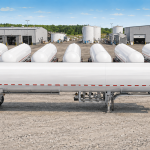
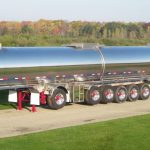
Gasoline cargo tanks operating in Maricopa County remain subject to local vapor-tightness testing, certification and recordkeeping requirements. This file photo does not depict a Rule 352 test. (Photo: ArtisticOperations/Pixabay)
- EPA is proposing to fully approve Maricopa County Rule 352 into Arizona’s air plan; comments are due September 10.
- The county’s annual gasoline cargo-tank test and decal requirements already apply locally. EPA is not creating a nationwide tanker-testing rule or a new duty effective today.
- Rule 352 requires a three-part vapor-tightness test, repair and retest deadlines, and five years of records for covered gasoline delivery vessels.

A tank-truck driver connects a hose during a gasoline-station delivery. The image illustrates fuel-transfer equipment but does not show a Method 27 certification test. (Photo: Ildar Sagdejev/Wikimedia Commons, CC BY-SA 4.0; cropped)
The Environmental Protection Agency has proposed full federal approval of Maricopa County’s revised gasoline cargo-tank rule, moving Maricopa tanker testing toward incorporation into Arizona’s federally enforceable State Implementation Plan.
For fuel carriers, the operating line is geographic. Maricopa County Rule 352 applies to any gasoline cargo tank used to load or unload gasoline within the county and to the people who own, operate, maintain, repair, or test that equipment. Its stated scope therefore includes covered equipment entering the county from elsewhere. The rule’s definition also encompasses railcars and the loading hoses carried by a unit, subject to its specific exemptions.


The August 11 EPA proposal is not a new national cargo-tank testing standard, and it does not start a new fleet-compliance clock today. Maricopa County adopted the current Rule 352 on October 1, 2025, and already requires covered gasoline delivery vessels to be vapor-tight, leak-free, and certified annually. Comments on EPA’s proposed action are due September 10.
Maricopa tanker testing already applies locally.
Unless a narrow exemption applies, a gasoline cargo tank must pass the county vapor-tightness test and display a valid certification decal before storing, transporting, loading, or unloading gasoline within Maricopa County. The county’s tanker certification instructions direct operators to reapply annually between March 1 and June 30 before the decal expires.
| Rule 352 checkpoint | Current operating requirement |
|---|---|
| Test sequence | Pass the positive-pressure, vapor-valve-loss and partial-vacuum subtests, in that order, during the same testing period. |
| Test notice | For testing inside Maricopa County, notify the Control Officer at least four hours and no more than 72 hours before the test; special timing applies to weekends and overnight work. |
| Failed certification test | Repair the tank and pass all three subtests in the same retesting period within 15 days of the initial test. |
| Certification decal | Submit the application, checklist, and fee, then display the valid decal near the front passenger side of the tank. The county’s current published fee is $280 per tank. |
| Records | Retain required records for five years and make them available to the Control Officer within five business days of a request. |

Maricopa County Rule 352 already requires covered gasoline cargo tanks to pass annual vapor-tightness testing and display a valid certification decal. EPA is proposing full federal approval of the revised local rule. (Graphic: Tank Transport; sources: Maricopa County and EPA)
The annual test is more specific than a general leak check. Using the same vapor-recovery hose that will be used for loading, the tank must meet defined pressure, vapor-valve, and vacuum limits. Rule 352 uses EPA Method 27 procedures for the pressure and vacuum portions. That is a different operating context from the LPG tests discussed in Tank Transport’s review of EPA Method 27 and federal cargo-tank records.
Rule 352 also gives the county authority to inspect for vapor leaks. A verified concentration at or above the lower explosive limit must be corrected within 24 hours; specified lower-level instrument readings carry a five-day correction period. After a presumed repair, the source generally must be checked within 15 minutes of returning to use, and faulty equipment must be removed from use if it still fails.
EPA says the revised rule fixes earlier enforcement gaps
EPA’s January 2025 action gave Rules 352 and 353 limited approval and limited disapproval. For Rule 352, the agency found that leak-detection provisions outside the annual certification test did not clearly establish who had to perform them or how the results would be recorded. EPA also objected to an exemption that allowed an alternative test described only as being at least as stringent as the specified procedure.
The October 2025 revision clarifies that Maricopa County performs those additional leak inspections, adds repair and retest schedules, and requires records for detected leaks and corrective work. It also ties the alternative certification route to the test method listed in Rule 352 rather than an undefined equivalent. EPA now says those changes correct the cargo-tank rule’s earlier deficiencies and support full approval.
A separate gasoline-dispensing-facility rule, Rule 353, remains proposed for conditional approval because its annual stationary-system testing provision relies on Arizona requirements that are not yet incorporated into the SIP. That condition does not convert EPA’s proposed full approval of the cargo-tank provisions in Rule 352 into a conditional action.
Federal approval would change enforceability, not geography
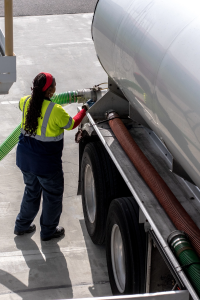
Transporter operator Yolanda Bush connects an air-vent hose to a fuel-supply tanker at MacDill Air Force Base. The hose helps equalize pressure during loading; the photograph does not show a Rule 352 vapor-tightness test. (Photo: U.S. Air Force photo by Airman 1st Class Sterling Sutton)
If EPA finalizes the proposal, the October 2025 version of Rule 352 would replace the current SIP-approved version and become part of the federally enforceable Arizona air plan. Final approval would also stop the sanctions clock and federal-plan obligation associated with EPA’s January 2025 disapproval of the cargo-tank rule. EPA’s separate interim determination deferring those sanctions took effect August 11 while the agency considers final action.
For fleets already serving the Phoenix area, that is primarily a change in enforcement architecture—not permission to defer local compliance. Dispatch, maintenance and testing teams should continue checking decal expiration, test documentation and the vapor-recovery hoses assigned to each unit. Those controls become especially important when changing racks because alternate terminals can introduce different vapor-recovery procedures and credential requirements.
Rule 352 also sits alongside, rather than replacing, federal hazardous-materials requirements. Tank Transport’s analysis of PHMSA’s HM-265 fuel-cargo-tank changes covers a separate set of federal inspection, marking and equipment provisions. A Maricopa vapor decal does not eliminate those obligations, and ordinary DOT inspection records do not eliminate the county certification process.
Carriers, testing companies, terminal operators and other affected parties can submit comments under docket EPA-R09-OAR-2026-5743 through September 10. Comments can address EPA’s proposed approval, but the comment period itself is not a delayed effective date for Rule 352’s existing local requirements.
Maricopa Tanker Testing Key Developments
- EPA is proposing full approval of Maricopa County Rule 352 and its associated ozone-control demonstration.
- The annual three-part vapor-tightness test, decal and recordkeeping requirements already apply to covered gasoline cargo tanks operating in the county.
- EPA’s proposal would add the revised county rule to Arizona’s federally enforceable air plan; it would not create a nationwide gasoline-tanker test.
- Rule 353, covering gasoline dispensing facilities, is a separate conditional-approval issue and should not be confused with Rule 352’s cargo-tank status.
- Public comments are due September 10, 2026; fleets should monitor EPA’s final action rather than treat the proposal as a compliance pause.