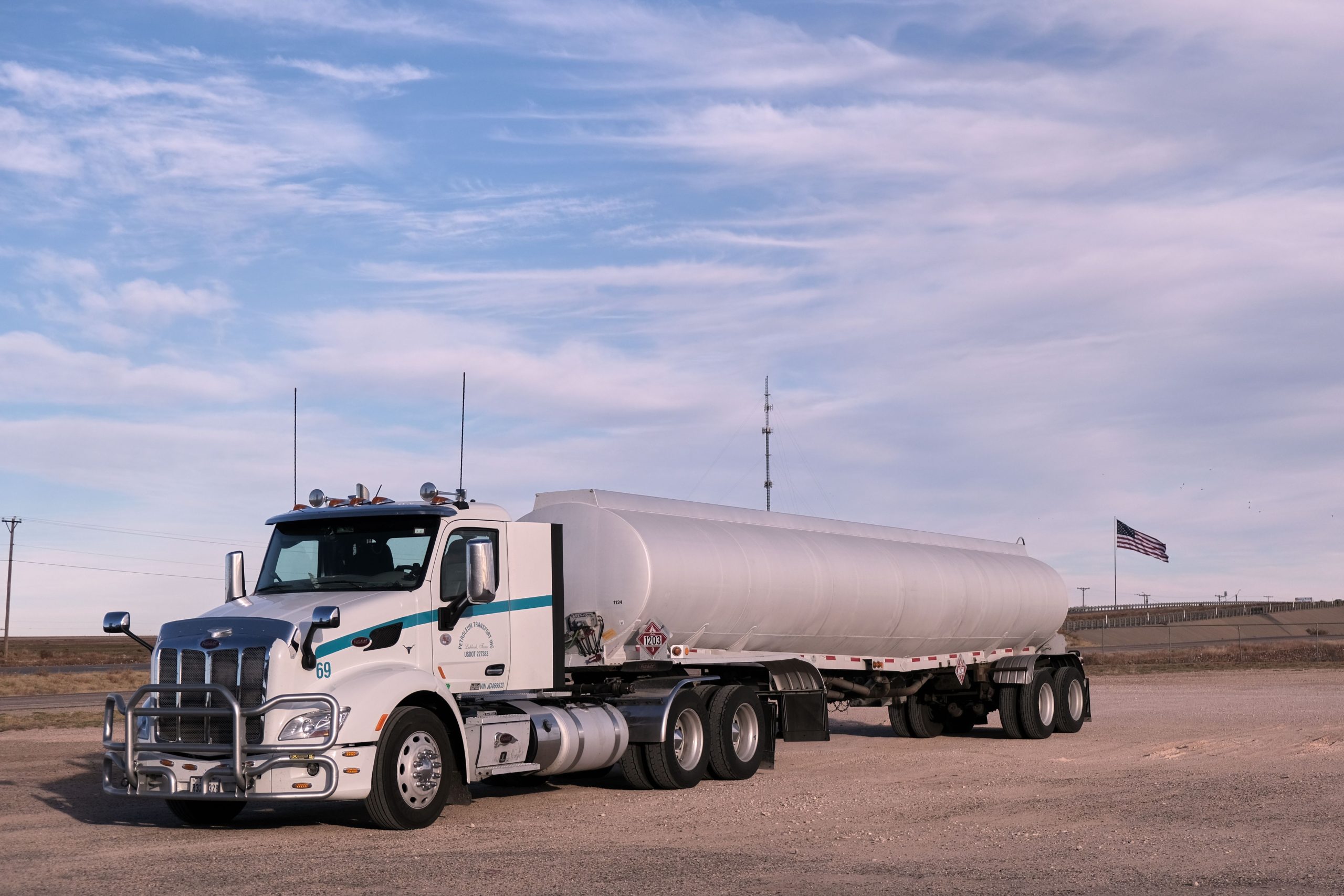
- Qualifying interstate gasoline and diesel haulers can drive up to 16 hours in a 24-hour period under temporary federal relief.
- Rest requirements differ by truck configuration, and drivers who need immediate rest must receive additional time off.
- The waiver runs through December 16; eligibility, documentation, and other safety requirements still apply.
The FMCSA fuel waiver gives qualifying interstate gasoline and diesel haulers temporary relief from federal hours-of-service limits, allowing up to 16 hours of driving in any 24-hour period under specified conditions. Effective September 16, 2026, the action is scheduled to expire at 11:59 p.m. December 16.
For fuel distributors and cargo-tank fleets, the immediate change is more flexibility in scheduling deliveries when supply disruptions complicate replenishment. Whether that produces additional completed loads will depend on terminal access, product availability, receiving hours, and drivers’ ability to obtain the required rest.
Transportation Secretary Sean Duffy announced the measure as an effort to reduce delivery disruptions and pressure on fuel costs. The Department of Transportation announcement connects fuel distribution with freight movement and agricultural demand. Lower prices are an administration objective; the announcement does not establish a measured price reduction from the waiver.


What the FMCSA Fuel Waiver Changes
The distinction between driving time and the workday matters. Under ordinary property-carrier hours-of-service rules, a driver generally may drive 11 hours after 10 consecutive hours off duty and may not drive beyond the 14th consecutive hour after coming on duty. The normal framework also includes driving-break and weekly on-duty limits, subject to applicable exceptions.
The new action waives the limitations in 49 CFR 395.3 for covered transportation and replaces them with its own conditions. Describing it simply as an increase from 14 to 16 driving hours would confuse the ordinary driving window with the ordinary driving limit.
For dispatch, that distinction affects how a route is evaluated. Loading, unloading, and waiting at a rack all occupy time in a delivery cycle. A higher driving ceiling does not mean every driver can add the same number of deliveries, or that a schedule previously constrained by terminal congestion will become workable.
Fuel supply also has separate regulatory dimensions. Tank Transport’s coverage of the early winter-gasoline transition examined changes to how gasoline volatility is treated. The September FMCSA action concerns driver hours. Product specifications and a driver’s available operating time remain separate questions when a load is dispatched.
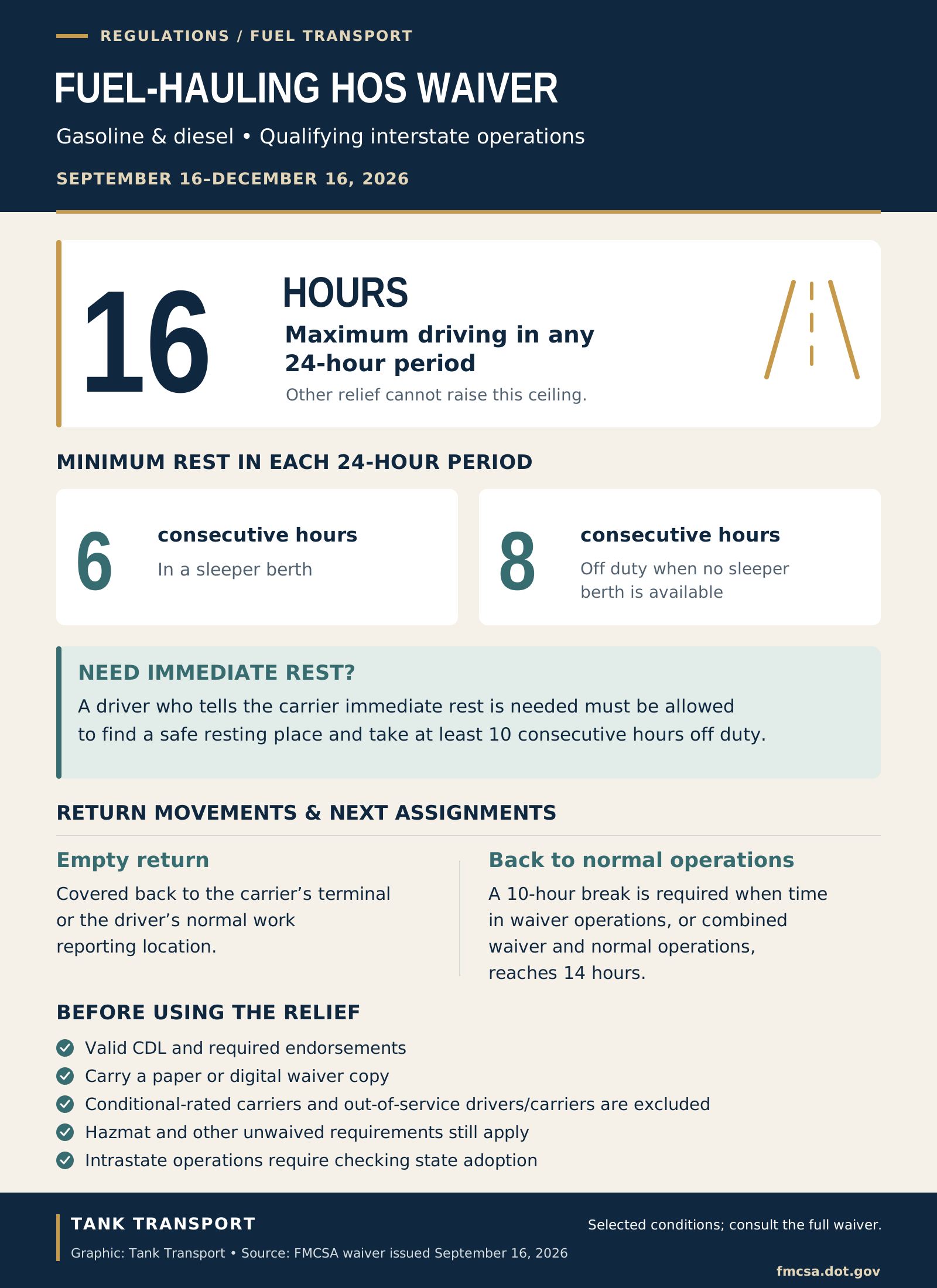
Selected driving, rest and eligibility conditions under FMCSA’s September 16–December 16, 2026 fuel-hauling waiver. (Graphic: Tank Transport; source: FMCSA)
Rest, Eligibility and the Return Trip
The waiver’s operating conditions require six consecutive hours in a sleeper berth per 24 hours, or eight consecutive hours off duty without a sleeper. Other relief cannot increase the 16-hour driving ceiling. A driver requesting immediate rest must receive access to a safe resting location and at least 10 consecutive hours off duty.
Conditional-rated carriers are excluded. Active out-of-service orders also bar participation until formally rescinded. Drivers need valid CDLs and endorsements, and must carry a paper or digital waiver copy.
Covered empty returns extend to the carrier’s terminal or the driver’s normal work reporting location. When a driver transitions back to normal operations, a 10-hour break is required if total time in waiver operations, or combined waiver and normal operations, equals or exceeds 14 hours. States may adopt intrastate relief; federal interstate coverage does not establish every state’s intrastate policy.
These distinctions make truck configuration and the next assignment important dispatch inputs. A fleet using both day cabs and sleeper-equipped tractors cannot apply one rest assumption to every vehicle. Nor should an empty return be treated as an unlimited repositioning allowance.
A practical handoff should identify the covered load, the equipment configuration, the driver’s recent activity, and the next planned assignment. That gives dispatch and safety staff a common basis for deciding whether the proposed delivery cycle fits the relief, including the transition back to ordinary work.
Documentation and Delivery Capacity Still Matter

The Pine Bend Refinery industrial complex in Inver Grove Heights, Minnesota. (Photo: Tony Webster, CC BY 2.0, via Wikimedia Commons)
Hazmat, licensing, testing, insurance, size and weight requirements remain applicable. Covered crashes require notification to MCPSD@DOT.GOV within two business days, including specified crash and duty-history information. Carriers must track participating driver totals for FMCSA requests. The agency may revoke relief.
For fleets, key preparation is linking the waiver to existing dispatch records and incident-response procedures. Staff handling a crash report need to know whether the driver was using the relief, while supervisors need a dependable way to identify participating drivers. The full waiver document supplies the required notification fields.
The operating benefit is most plausible where available driving time is the binding constraint. If a rack has product and a customer can receive it, added scheduling flexibility could help complete a delivery. If product is unavailable or loading access is restricted, additional allowable hours alone cannot resolve that bottleneck.
The U.S. Energy Information Administration explains that regional diesel prices can remain elevated when transportation systems cannot move replacement supplies quickly enough. Longer distances between supply sources and retail locations also increase transportation costs. That helps explain where additional driving flexibility could support fuel deliveries, although EIA’s analysis does not measure the effects of this particular waiver.
Tank Transport’s reporting on the August shutdown at Explorer Pipeline’s Glenpool facility illustrates why infrastructure availability and downstream delivery effects must be assessed separately. That earlier event is context, not evidence that FMCSA attributed this waiver to Glenpool or that the facility remains shut.
The next useful measure will be how carriers apply the relief: whether it helps complete replenishment runs, where terminal constraints persist, and whether actual delivery performance improves. Those outcomes require operating evidence beyond the announcement.
Fuel-Hauling Waiver Key Developments
- DOT is using temporary scheduling flexibility to support gasoline and diesel distribution.
- The new driving allowance must be evaluated alongside the waiver’s rest and eligibility conditions.
- Dispatch planning must account for truck configuration, return movements, and subsequent assignments.
- Additional available driving time can help only when the rest of the delivery chain can accommodate the load.