
Crude Is Calmer, but Fuel Isn’t: Why Diesel and Gasoline Markets Still Signal a Supply Crunch
Fuel supply crunch signals remain in diesel and gasoline as crude cools. See how stocks, crack spreads, exports and refinery limits affect fuel logistics.

Fuel supply crunch signals remain in diesel and gasoline as crude cools. See how stocks, crack spreads, exports and refinery limits affect fuel logistics.
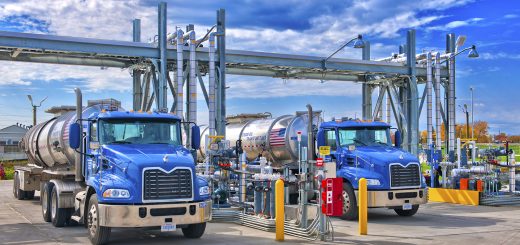
The renewable diesel mandate is facing production, feedstock, RIN, tax-credit, and logistics pressure as U.S. biofuel targets test fuel markets.
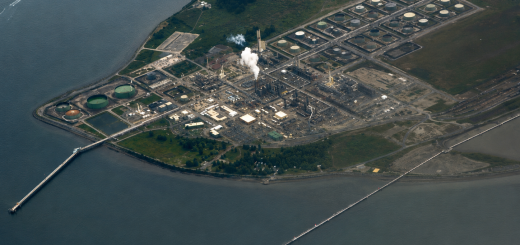
Updated global refinery crunch analysis covering Russian and Middle East refinery attacks, company responses, diesel and jet fuel exposure, and what the evolving 2026 fuel squeeze means for logistics, terminals, and refined product markets.

The Midwest fuel supply squeeze is reshaping Chicago jet fuel, diesel pricing, refinery maintenance economics, export competition, and terminal logistics as Illinois outages collide with a global distillate shock.
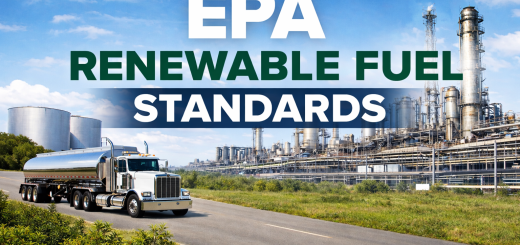
EPA renewable fuel standards for 2026–2027 are final: record-high total applicable volumes, a seventy-percent SRE reallocation, revised equivalence values effective in 2027, eRIN removal, updated CWC pricing, and new litigation risk signals.
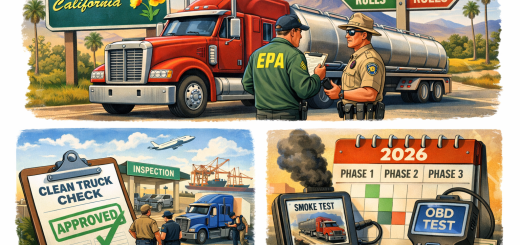
The Clean Truck Check disapproval limits EPA approval to California-registered vehicles, reshaping federal enforceability, state enforcement risk, and compliance messaging for interstate tankers.

California crude by truck is surging as Bay Area crude outlets tighten and a key northbound line sits empty—an insider look at the new route, costs, compliance, risks, and knock‑on effects for tanker fleets, terminals, and fuel supply planning.
Tank fleet compliance gets a March 23, 2026 double hit: PHMSA’s Exxon gasoline preemption docket and FMCSA final rules on eDVIR clarity, fuel-system edits, and warning-device language—what changed, what to document, and what to verify now.

Oil tank transportation is entering a new risk cycle as Hormuz shock disruptions pressure Iraqi exports, tanker rates, diesel prices, private fleets, and U.S. tank trucking margins.

The Page Trucking Goulet merger will form Page G.T.C. Inc., combining 500+ trucks and 1,500 pieces of equipment with expanded hazardous and specialized bulk transport coverage ahead of a planned Q1 2026 close.

Find reporting on regulations, fleets, equipment, terminals and the liquid and dry-bulk transportation market.








Simplify your path to success. Fill out the form below and our team will be in touch to discuss how we can help your brand thrive.
[contact-form][contact-field label=’Name’ type=’name’ required=’1’/][contact-field label=’Company’ type=’text’/][contact-field label=’Email’ type=’email’ required=’1’/][contact-field label=’# of Listings’ type=’text’ required=’1’/][contact-field label=’Ad Placement’ type=’checkbox-multiple’ options=’Print,Digital’ required=’1’/][contact-field label=’Comment’ type=’textarea’/][/contact-form]
-We will send info for online registration and answer any inquiries you have, after we receive your form.
Get liquid and dry-bulk transportation news, equipment updates, market trends, regulatory coverage, and Tank Transport Trader publication updates delivered to your inbox.
Join 20,000+ transportation professionals following Tank Transport.
No spam. Unsubscribe anytime.