
FMCSA Removes 133 ELDs: What Tank Fleets Need to Check Now
FMCSA’s November action combines 121 agency revocations and 12 voluntary withdrawals. Tank fleets face a device-by-device check, conflicting official dates and a records transition.

FMCSA’s November action combines 121 agency revocations and 12 voluntary withdrawals. Tank fleets face a device-by-device check, conflicting official dates and a records transition.

Federal parking awards span interstate rest areas, port facilities and travel centers. For bulk fleets, the value depends on where spaces open, how they can be used and how much capacity is actually added.

A final rule effective October 5 extends the automatic regional-emergency window from 14 to 30 days. Fuel, water and other bulk carriers still need to establish that each trip directly supports the emergency.

Federal relief gives qualifying gasoline and diesel haulers more driving flexibility through December 16. Truck configuration, rest, return trips and carrier eligibility determine how fleets can use it.

A Dallas jury looked beyond a Satisfactory federal carrier rating and found both negligent selection and vicarious control. The unresolved verdict now tests how brokers, shippers and tank operations document carrier vetting, dispatch boundaries and live safety exceptions.
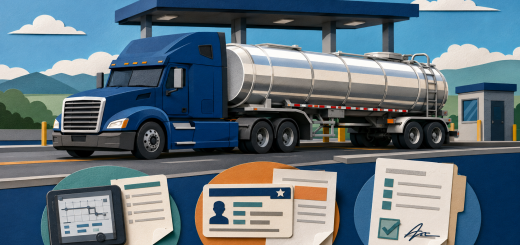
Final FMCSA rules effective July 22 narrow three recurring paperwork duties, but they do not erase the cab packet, employer notices or inspection retention.
Texas’s flood declaration creates limited operating relief for qualifying emergency haulers—not a blanket waiver. Fuel, water, wastewater and recovery fleets must still verify the load, recipient, route and regulations that remain in force.

Operation Safe Driver Week 2026, revoked ELD deadlines, and July 2026 trucking enforcement create driver-behavior and out-of-service risks for tank fleets.

Roadcheck ELD enforcement is tightening as CVSA adds a new out-of-service condition for ELD tampering and FMCSA expands revoked-device actions; here’s what changed, which devices are affected, and how roadside inspectors will validate logs and cargo securement.

California crude by truck is surging as Bay Area crude outlets tighten and a key northbound line sits empty—an insider look at the new route, costs, compliance, risks, and knock‑on effects for tanker fleets, terminals, and fuel supply planning.

Find reporting on regulations, fleets, equipment, terminals and the liquid and dry-bulk transportation market.






Simplify your path to success. Fill out the form below and our team will be in touch to discuss how we can help your brand thrive.
[contact-form][contact-field label=’Name’ type=’name’ required=’1’/][contact-field label=’Company’ type=’text’/][contact-field label=’Email’ type=’email’ required=’1’/][contact-field label=’# of Listings’ type=’text’ required=’1’/][contact-field label=’Ad Placement’ type=’checkbox-multiple’ options=’Print,Digital’ required=’1’/][contact-field label=’Comment’ type=’textarea’/][/contact-form]
-We will send info for online registration and answer any inquiries you have, after we receive your form.
Get liquid and dry-bulk transportation news, equipment updates, market trends, regulatory coverage, and Tank Transport Trader publication updates delivered to your inbox.
Join 20,000+ transportation professionals following Tank Transport.
No spam. Unsubscribe anytime.