- Discover how the Daimler Truck electric expansion is modernizing a historic Michigan plant to meet rising demand for zero-emission trucks.
- Explore new electric powertrain components and strategic R&D aimed at revolutionizing commercial fleet electrification.
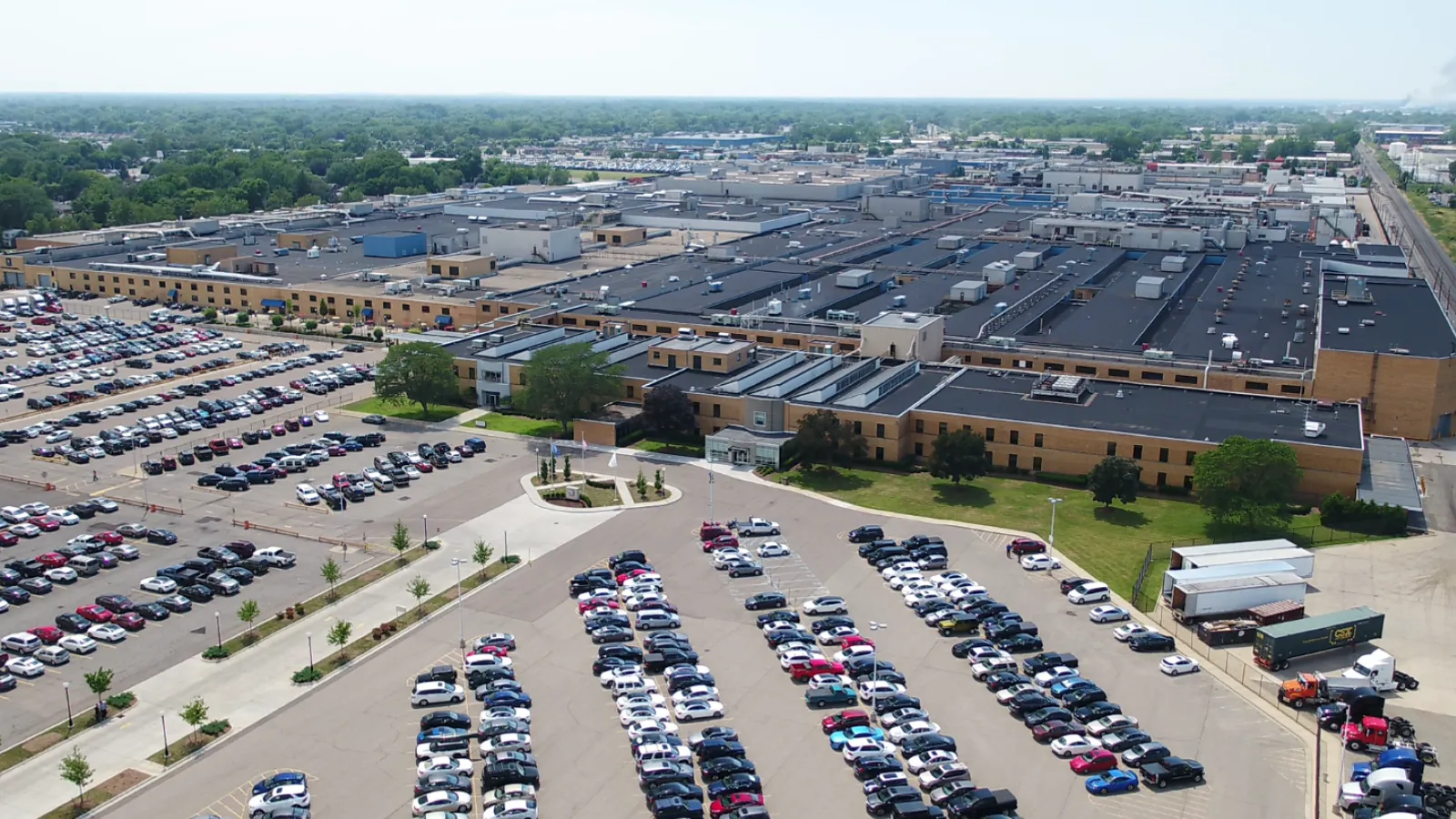
Daimler Truck North America is embarking on a significant Daimler Truck electric expansion of its manufacturing capabilities in Michigan. The company announced a $285 million investment to modernize and retool its Detroit Diesel facility in Redford Township, Michigan. This initiative will expand electric powertrain production for medium- and heavy-duty trucks while maintaining the plant’s diesel output, effectively transforming the historic factory into a dual-purpose manufacturing hub. Supported by state and local partners, the project is poised to create hundreds of skilled jobs and strengthen Michigan’s status as an emerging center of electric truck manufacturing.
Major Investment Transforms Detroit Diesel’s Redford Plant for EV Production
Daimler’s $285 million investment transforms a historic diesel plant into a dual-purpose manufacturing hub. Daimler Truck North America’s Detroit Diesel manufacturing campus in Redford Township, Michigan. The truck maker plans to transform the facilities to produce zero-emission vehicles. Courtesy of Daimler Truck North America
Opened in 1938, the Detroit Diesel factory in Redford Township has long been a cornerstone of U.S. commercial vehicle manufacturing. The sprawling 3-million-square-foot plant currently produces traditional engines, transmissions, and axles for Freightliner, Western Star, and Thomas Built school buses. Now, a major infusion of capital will modernize and expand the site to accommodate zero-emission vehicle (ZEV) components alongside its legacy product lines. Company officials say the goal is to maintain existing output of diesel systems while adding new assembly lines for electric drivetrains.
Construction on a 110,000-square-foot facility addition is expected to begin in early 2025, with partial production of electric powertrain components slated to ramp up by mid-2025. Daimler officials anticipate battery pack assembly lines becoming fully operational by early 2026, supporting broader manufacturing needs. This blended approach reflects Daimler’s strategy to serve current customers who rely on efficient diesel engines while aggressively boosting capacity for electric truck manufacturing. Check out other industry-wide production expansions to see how manufacturers across the sector are meeting growing demand.

Building Electric Axles, Batteries, and R&D Capacity
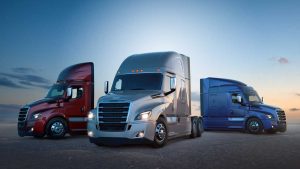
From diesel engines to electric drive axles: Redford is embracing the future of zero-emission trucking.
The revamped Redford campus will produce critical electric powertrain components for Daimler’s growing fleet of zero-emission trucks. In particular, Detroit Diesel (a Daimler subsidiary) is investing in manufacturing electric drive axles and high-voltage battery module/pack assemblies on site. These are the core of the Detroit ePowertrain system – a fully integrated platform combining motors, transmissions, and power electronics in a compact unit. By assembling Detroit eAxles and battery packs locally, the facility will be able to supply key parts for Daimler’s medium- and heavy-duty electric vehicles with greater efficiency and control over the supply chain.
Additionally, plans include a new research and development center focused on advanced battery technology. This R&D facility will prototype and test next-generation battery cells and packs, fostering innovation in high-voltage battery R&D to improve range, durability, and charging times. Timelines call for pilot-scale testing at the R&D center by Q3 2025, ensuring new designs can be rapidly integrated into upcoming product lines. Overall, the expansion is positioning the Redford plant as a one-stop production site for both conventional powertrains and the latest battery-electric components, keeping it relevant as the industry shifts to cleaner technologies.
What electric components will the Redford facility produce?
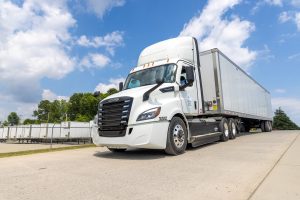
Construction in early 2025 will expand Redford’s footprint for next-gen electric powertrain production.
Daimler’s investment will enable the Redford Township plant to manufacture several new components essential for electric trucks. According to local officials, the expansion includes production lines for Detroit-branded electric drive axles and battery module/pack assembly. The electric drive axles (or eAxles) integrate an electric motor, a two-speed transmission, and power electronics into a single unit that directly powers the truck’s wheels. By building eAxles in-house, Detroit Diesel can optimize them for maximum torque and efficiency—crucial for hauling heavy loads.
The facility will also assemble large lithium-ion battery packs (with modular battery modules) that provide energy to Daimler’s trucks. These battery packs—ranging in capacity to support several hundred miles of operation—will be produced and tested on site. In addition, the plant’s new battery R&D lab will prototype advanced battery designs and manage ZEV battery research to continually improve performance. By producing both eAxles and battery systems under one roof, the Redford facility becomes a central supplier of the Detroit ePowertrain, integrating all the major electric powertrain components needed for Daimler’s commercial EVs.
How will the Freightliner eCascadia benefit from the Redford expansion?
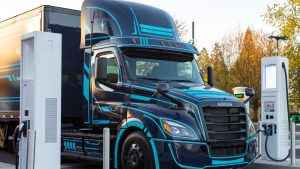
Freightliner’s eCascadia and eM2 will benefit from fully integrated local production of eAxles and batteries.
The Freightliner eCascadia—Daimler’s flagship Class 8 electric semi truck—is one of the primary vehicles that will benefit from the Redford plant’s upgrades. The Detroit ePowertrain components made in Redford are slated to power the eCascadia, as well as the Freightliner eM2 medium-duty truck. In fact, Daimler introduced the eCascadia and eM2 in 2021 with a proprietary Detroit ePowertrain to ensure seamless integration of motors, batteries, and controls. By expanding ePowertrain production in Michigan, Daimler can more efficiently supply these electric models at scale.
The eCascadia, which is a zero-emission version of the popular Cascadia semi, requires high-performance electric drive axles and large battery packs to haul up to 80,000 lbs. With Redford assembling those components, Freightliner can ramp up eCascadia deliveries to fleet customers knowing its drivetrains are built domestically to Detroit’s stringent quality standards.
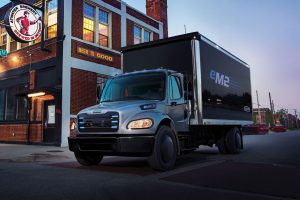
Our R&D center will prototype advanced battery technology to improve range, durability, and charging times.
Moreover, co-locating R&D will accelerate improvements—any advancements in battery chemistry or axle design from the Redford labs can be quickly integrated into the eCascadia production line. The expansion may also support other Daimler EV offerings (like electric school buses from Thomas Built Buses) by supplying versatile ePowertrain parts. In short, the Redford facility will serve as a backbone for Daimler’s North American commercial fleet electrification, directly underpinning vehicles like the Freightliner eCascadia with locally built, mission-critical components.
Empowering Michigan’s Workforce and EV Future
State and local leaders have lauded the project as a win for Michigan’s economy and a strategic move toward sustainable trucking infrastructure. The $285 million investment is being made in partnership with the Michigan Economic Development Corporation (MEDC) and local government, aligning with Michigan’s push to attract high-tech manufacturing.
“Diversifying the site’s product portfolio is critical to its long-term viability as the commercial truck industry evolves from traditional internal combustion engines to ZEV solutions.”
Daimler noted this in its application for state support. The expansion was enabled by Michigan’s “Critical Industry Program” incentives, reflecting the state’s commitment to remain a hub for automotive innovation.
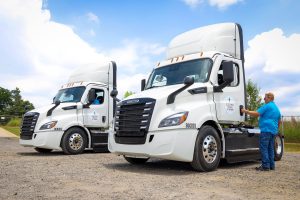
An anticipated 436 new jobs — plus retention of 2,000 positions — boosts Michigan’s skilled workforce.
Officials emphasize that keeping Detroit Diesel’s facility at the forefront of electrification not only secures existing jobs but also cements Michigan’s role as an international leader in the automotive industry for next-generation technologies. The collaboration extends beyond the factory walls as well—Daimler Truck is working closely with utility DTE Energy on a “Truck Stop of the Future” initiative to install high-speed charging stations for electric commercial vehicles. This collaboration is expected to break ground in late 2024 or early 2025, supporting fleet operators who need reliable fast-charging solutions along critical corridors.
By pairing manufacturing investment with infrastructure projects, the company and state aim to create an end-to-end ecosystem supporting commercial fleet electrification in the region. Explore notable partnerships shaping the trucking industry to see how collaboration fuels ongoing progress.
Hundreds of New Michigan Jobs and State Support
The Redford facility upgrade is also a major job creation engine for the community. In addition to safeguarding roughly 2,000 existing workers, Daimler Truck expects to add up to 436 new jobs at the site as it expands into EV component production. These positions will span assembly-line roles, technical specialties, and engineering jobs needed to support the new electric product lines. According to a Michigan state memo, about 335 of the new hires will be hourly production workers (with a median wage of $25.86 per hour under the UAW contract), and around 101 will be salaried engineers and other professionals (with a median annual salary of $113,000 per year).
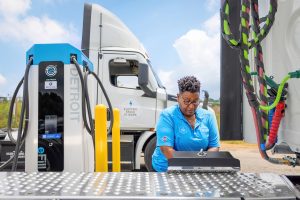
Partnering with DTE Energy, the ‘Truck Stop of the Future’ aims to deliver reliable fast-charging solutions.
This infusion of skilled manufacturing jobs is expected to have a positive ripple effect on the local economy and supply chain.
“Supporting the company helps create hundreds of new jobs while bolstering Michigan as an international leader in the automotive industry.”
The MEDC stated, underscoring the broader economic benefits. Detroit Diesel’s workforce is unionized through the United Auto Workers, and the expansion will continue that partnership, providing strong wages and benefits for Michigan’s EV jobs.
Executives also note the project will upskill the existing workforce, giving employees new training in high-voltage systems and electric drivetrain assembly. This talent development is crucial as the trucking industry shifts toward electrification, ensuring Michigan’s labor force remains at the cutting edge of vehicle technology. Check out insights from leading heavy-duty truck manufacturers for a broader perspective on how major OEMs are adopting and scaling similar initiatives.
How many jobs will this expansion create in Michigan?
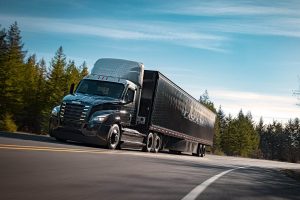
By broadening electrification and upskilling workers, Daimler’s Redford facility drives the industry forward.
Daimler’s investment will generate a substantial employment boost in Michigan’s EV sector. The company estimates the Redford expansion will create approximately 436 new jobs, while also retaining about 2,000 existing jobs at the Detroit Diesel campus. These new positions will cover a range of occupations, from manufacturing technicians building eAxles and battery packs to engineers in the new R&D center. The roles are largely high-skill, high-wage jobs in line with Michigan’s advanced manufacturing profile.
Notably, the workforce expansion includes hundreds of unionized production jobs with competitive pay (around $25+ per hour on average) and dozens of engineering jobs with six-figure salaries. By anchoring these opportunities in Redford Township, Daimler is helping solidify the region’s reputation as a growing center for Michigan EV jobs.
Local officials have praised the development; Wayne County Executive Warren C. Evans called the project “a huge win for one of our older, core communities” as it will create hundreds of new positions and retain many more. The hiring associated with the expansion is expected to ramp up as the new facilities and production lines come online over the next few years, contributing significantly to Michigan’s automotive employment base in the emerging electric era.
What incentives are supporting the Redford expansion?
To secure this transformative project, Daimler Truck North America’s latest initiatives involved working closely with state and local authorities on an incentive package. The Michigan Strategic Fund board approved approximately $31 million in state incentives to support Detroit Diesel’s Redford expansion. This includes a $27.7 million performance-based grant under Michigan’s Critical Industry Program, designed to attract and grow high-impact manufacturing investments. Additionally, the company received support through a State Essential Services Assessment (SESA) tax abatement worth up to $3.29 million, reducing operational costs as the new facilities come online. These incentives are contingent on Daimler meeting its investment and job creation commitments.
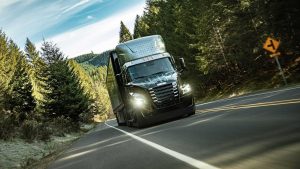
Expanding electric truck capacity in Michigan cements the state’s leadership in automotive innovation.
State officials, including Governor Gretchen Whitmer, have emphasized that such deals ensure Michigan stays competitive in landing major EV projects that bring lucrative jobs.
“Michigan is proud to earn these significant investments… which will create more than 600 good-paying jobs and continue growing our cutting-edge manufacturing economy.”
Governor Whitmer said in a statement. The public support was critical in Daimler’s decision to choose Michigan over other potential sites, anchoring a long-term EV manufacturing hub in the Detroit area.
Beyond direct financial incentives, Michigan’s robust workforce and automotive R&D ecosystem were key selling points—advantages bolstered by the ongoing partnership with DTE Energy to establish a comprehensive electric truck charging infrastructure network near Redford. This “Truck Stop of the Future” project should break ground around the same time construction begins on the plant upgrade, ensuring fleets can readily adopt the vehicles rolling off Daimler’s new electric assembly lines.
The expansive Redford upgrade reflects Daimler Truck’s broader commitment to electrification as the freight industry pivots toward sustainability. The company expects the market for zero-emission trucks to grow rapidly by the end of the decade, and this investment positions Detroit Diesel’s plant—and Michigan—at the forefront of that transition. “This expansion is about more than just innovation; it’s about creating job opportunities and upskilling our workforce to meet the demands of tomorrow’s technology.” says Matt Pfaffenbach, DTNA’s vice president of powertrain operations.
By building electric truck components, advancing battery research, and training workers in new technologies, the Redford facility will play a pivotal role in commercial fleet electrification. In tandem with partnerships on charging infrastructure, Daimler Truck North America’s electric expansion in Michigan is creating a holistic environment for zero-emission trucking—one that promises to drive the industry’s future while anchoring economic growth in the region.
Major Takeaways: Key Developments In Daimler Truck Electric Expansion
- Daimler is committing $285 million to transform its Detroit Diesel facility, with construction beginning in early 2025 and e-axle/battery production ramping up from mid-2025 through early 2026.
- The upgrade is poised to create 436 new jobs while retaining 2,000 positions, reinforcing Michigan’s leadership in electric truck manufacturing and commercial fleet electrification.
- Partnerships with DTE Energy and the state’s “Critical Industry Program” are spurring infrastructure enhancements—including a “Truck Stop of the Future” for zero-emission trucks.
Explore External Resources for Daimler Truck Electric Expansion
- Daimler Truck North America – Press Release
DTNA Announces $285 Million Investment in Detroit Diesel Facility – Official statement detailing the expanded production of electric axles and battery components at the Redford campus. - Michigan Economic Development Corporation – Incentives Overview
MEDC: Critical Industry Program Grant – Insight into the performance-based grant and state support provided to Detroit Diesel for job creation and modernizing the plant. - DTE Energy – Truck Stop of the Future Project
Public-Private Collaboration for High-Speed EV Charging – Information on how this initiative will equip the Redford site with commercial EV charging infrastructure. - Detroit ePowertrain (Detroit Diesel)
Official Detroit ePowertrain Specifications – Technical details on eAxles, high-voltage battery packs, and integration in Freightliner electric trucks. - Freightliner eCascadia – Official Overview
Freightliner eCascadia Electric Semi – Comprehensive look at performance, range, and charging features of Freightliner’s flagship Class 8 EV. - U.S. Department of Energy – SuperTruck Initiatives
DOE SuperTruck Programs – Federal efforts accelerating commercial truck electrification and advanced charging corridor development. - U.S. DOT Freight Corridor Strategy
National Zero-Emission Freight Corridor Strategy – Guidance on building out highway-based EV charging networks to facilitate cleaner commercial transport. - Volvo Group – Electric Truck Expansion
DOE Funding for Heavy-Duty Electric Production – A look at broader industry investments to boost battery-electric and fuel-cell truck manufacturing capacities.