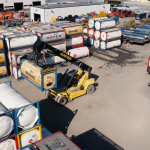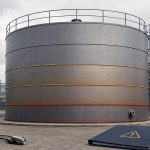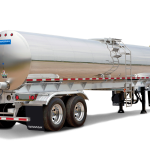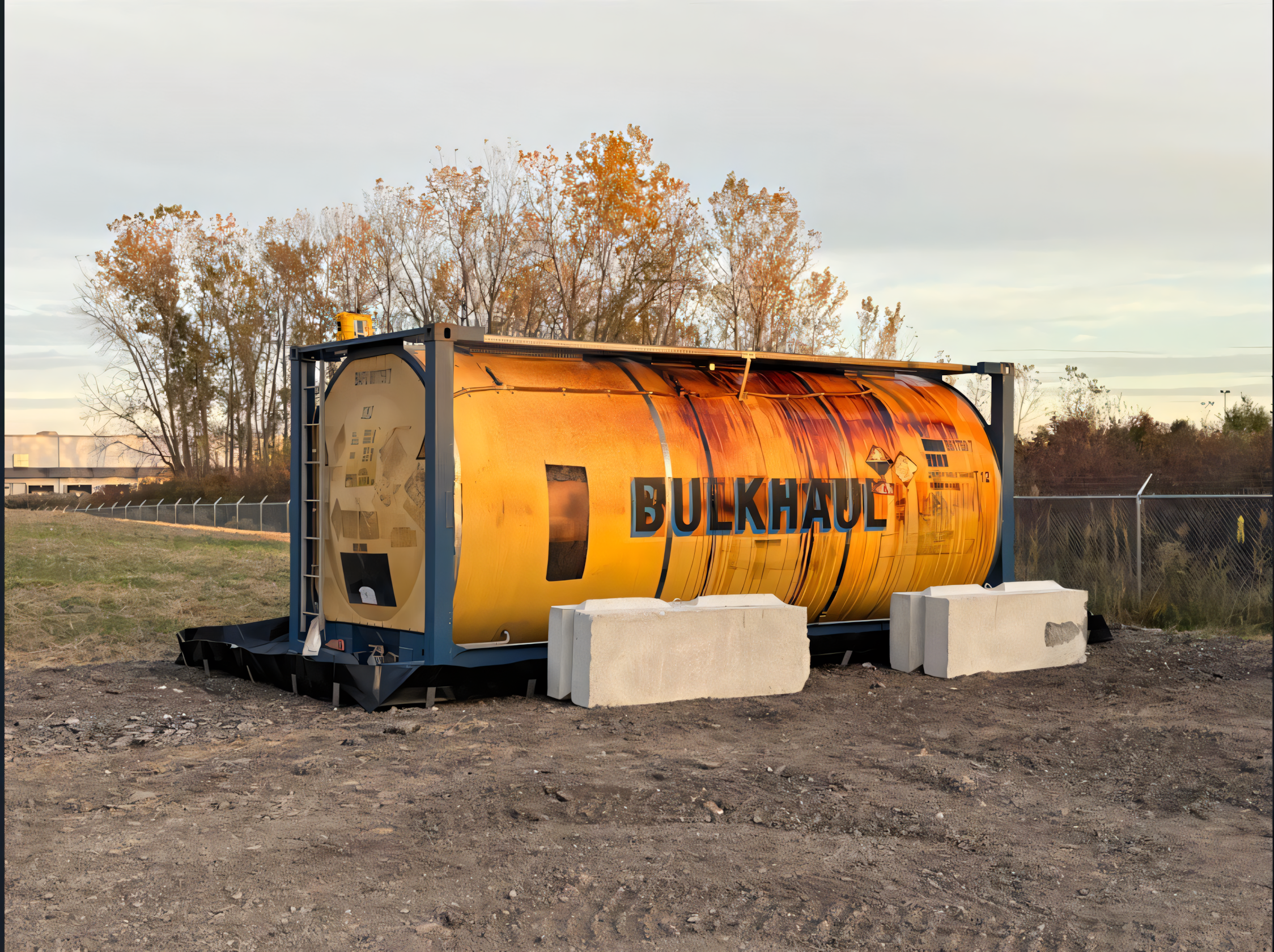
- The damaged intermodal tank is in secondary containment while disposal planning continues.
- Toledo lifted its evacuation order on October 23, three days after the release began.
- MC Tank says it is cooperating with investigators; the cause remains unresolved.

EPA and Toledo Fire and Rescue personnel work together at the Toledo response site on October 21, 2026. (Photo: U.S. EPA response gallery)
The Toledo chemical release has entered a cleanup phase, with the damaged intermodal tank moved into secondary containment on October 25 and still awaiting a disposal plan, according to the U.S. Environmental Protection Agency’s October 26 update.
The incident occurred at MC Tank Terminal on Progress Avenue in northern Toledo, Ohio. MC Tank Transport, a Kenan Advantage Group subsidiary, identified the material as glycidyl methacrylate, an industrial chemical used in plastics, paints and coatings.
For chemical carriers and tank depots, the response illustrates how managing a damaged container can extend beyond the evacuation period. Equipment recovery, environmental monitoring and the investigation continue on separate tracks.


Evacuations end as cleanup begins
According to the City of Toledo’s response timeline, a 911 call reported the release at 1266 Progress Ave. around 9:30 p.m. October 20. Fire officials ordered a one-mile evacuation later that night because of an explosion threat, followed by a three-mile shelter-in-place zone early October 21.
The shelter-in-place order ended October 21, and the evacuation area narrowed as conditions improved. By the evening of October 22, the tank had stopped releasing material and crews could approach it for inspection.
Toledo Fire & Rescue lifted the remaining evacuation order at noon on October 23. That evening, it approved a site safety plan and returned the site to its owners for cleanup under EPA oversight.
MC Tank said in its October 21–22 statements that it had mobilized specialized response resources and was working with emergency authorities. The company also said it was arranging lodging and transportation assistance with the American Red Cross for displaced residents.
MC Tank became part of KAG in 2025. At the time of the acquisition, KAG described a business spanning liquid-chemical trucking and ISO container services, including storage, washing and maintenance. Tank Transport’s coverage of the MC Tank acquisition provides background on that network.
A reactive cargo, with the cause still under investigation

Conceptual illustration of planning for tank-terminal cleanup. (Original Tank Transport illustration)
Glycidyl methacrylate’s chemical properties help explain why responders treated the incident cautiously. NOAA’s CAMEO Chemicals reference identifies it as polymerizable and warns that heating or catalysts can trigger potentially violent polymerization reactions.
Polymerization joins smaller molecules into larger chains. The reference also identifies incompatibilities with several chemical groups. Those are general characteristics of the material; they do not establish which conditions initiated the Toledo release.
MC Tank’s October 22 statement said the incident remained under investigation and that the company was cooperating with authorities. The statements reviewed for this article do not establish a final cause or assign responsibility.
For operators reviewing their own preparedness, accessible cargo information is a concrete starting point. Under 49 CFR 172.602, facilities that receive, store, or handle hazardous materials during transportation must maintain emergency-response information where personnel can access it immediately. Required information includes the material’s identity, immediate hazards, and initial response measures.
Tank Transport’s reporting on PHMSA’s emergency-information changes explains the permitted formats, while its hazmat training coverage addresses employee preparedness. These are general operating considerations, not findings that information or training deficiencies caused this incident.
Air monitoring continues during the cleanup transition

EPA’s TAGA mobile laboratory in Toledo on October 24, 2026. (Photo: U.S. EPA response gallery)
In its October 26 noon update, EPA reported no glycidyl methacrylate or other hazardous-chemical detections in TAGA sampling and preliminary laboratory results received since the preceding update. A very low October 24 detection in an industrial area had been below reporting and screening levels. EPA is coordinating a transition to Ohio EPA oversight.
TAGA, the Trace Atmospheric Gas Analyzer, is a self-contained mobile laboratory. EPA describes instruments that can measure many compounds at parts-per-billion concentrations or lower, along with location and mapping systems that connect readings to the places sampled.
That capability helps responders evaluate conditions along a sampling route. A reading is specific to its sampling location and time; it is not a reconstruction of every person’s earlier exposure. The city’s published data notice also cautions that preliminary results may change as quality checks are completed.
Toledo Chemical Release: Key Developments
- The evacuation ended October 23; site cleanup continues.
- The tank remains onsite while disposal plans are finalized.
- MC Tank says it is supporting the investigation and affected residents.
- General chemical-reactivity information does not establish the cause of the incident.